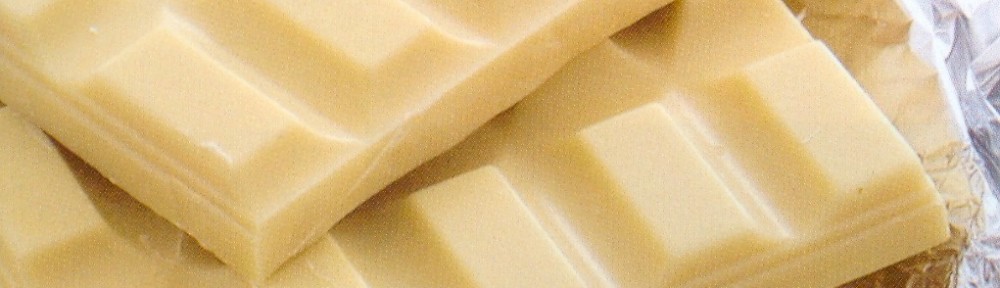
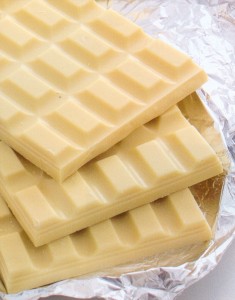
 Rich and creamy. Melts in your mouth. Full of delicious cocoa butter flavor. Sounds like chocolate, right? But it isn’t. It’s white chocolate. And technically speaking, it’s not the same as it’s darker cousin, though the two share many of the same ingredients.
Cocoa butter is the common theme, which helps give both white and regular chocolate their rich and creamy flavor. Fermented and roasted cocoa beans are ground up, creating a so-called chocolate liquor that serves as the key ingredient in all chocolate varieties other than white. This thick, dark and bitter liquid is not alcoholic, but it contains the basic building blocks of chocolate.
The chocolate liquor is separated into cocoa powder and cocoa butter. The rich and creamy fat gives white and traditional chocolate its great flavor. For white chocolate, the cocoa butter is blended with milk, sugar and other ingredients to create the final treat.
To make real chocolate, cocoa butter is recombined with cocoa powder. Combining these creates the unsweetened chocolate that is often used in baking or cooking. Adding different levels of sugar and milk to this mixture creates either milk or dark chocolate. To truly be considered chocolate — and to be labeled as such — the chocolate must contain both cocoa butter and cocoa powder.
White chocolate’s creamy color, texture and flavor have helped it gain popularity in recent years, as it makes a fantastic pairing with fruit and other chocolates. That gain in popularity means that white chocolate can be easily found at the local supermarket, but check the label carefully.
White chocolate is not currently standardized the way regular chocolate is, and some manufacturers have been known to skimp on quality. Many use vegetable oil in place of cocoa butter, which creates white chocolate that lacks the creamy flavor of sweets made with cocoa butter. Read the ingredients list and be sure cocoa butter is one of the first items listed to make sure you are getting the best-quality white chocolate.