
When great business initiatives fail to pan out, the short circuit often lies in the execution of the plan. A leader conceives a vision, bold ideas attract attention, and excitement builds. Soon, plans are coming together. Team spirit leads to a sense of excitement, and everyone’s going gangbusters! That is, until the business hits a common roadblock: a lack of training when it’s time to change the status quo.
Ben Horowitz, former director of product management at Netscape, was initially skeptical of the ROI the company would gain through investing in staff training. But that skepticism disappeared when Horowitz composed a short document, “Good Product Manager/Bad Product Manager,” which he used to communicate basic expectations to his staff. Managers he had once considered hopeless suddenly rose to high levels of performance. Soon he was managing the highest performing team in the company. Clearly communicating his vision and expectations had an astounding effect on the employees.
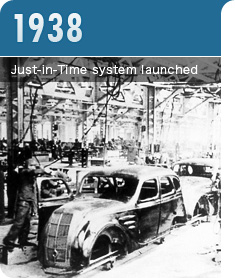 Over 50 years ago, Toyota developed a production system based on lean-manufacturing principles. The first step in their process was to “train the trainer.” Business process knowledge was then extended to managers and supervisors. The simple act of trainers training others, until organizational knowledge surrounds the business process, is practiced throughout the company today.
Don’t throw your business and employees off the dock without a life raft when you’re ready to implement a change initiative. Build a training document into your plan, and keep it current as your plan rolls out. As for the take-home lesson? Don’t underestimate the importance of training and communication as your company grows through change.