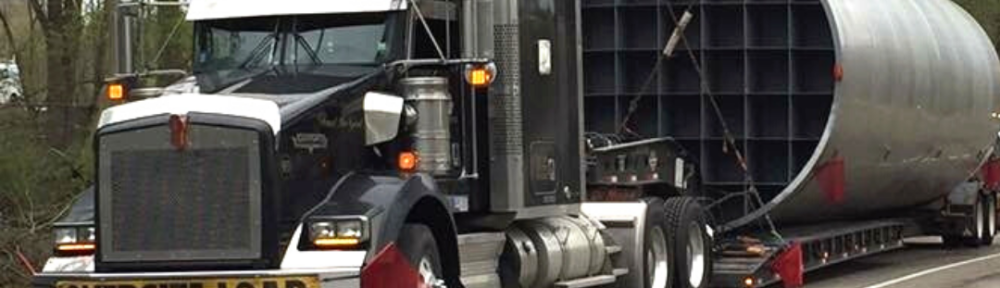
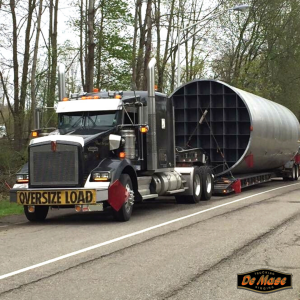
 If you don’t regularly transport freight, you might assume that all loads are created equal. As long as you have a truck, trailer and a qualified driver, you’re good to go, right? Well…not exactly.
Oversized loads present an array of challenges that more traditional loads do not. As a result, it’s critical to do your research and gather all of the necessary resources beforehand. It may take a bit of time and energy, but the results will be well worth it.
To assist you on your journey, we’ve developed a checklist. Follow it closely and you’ll be on the road in no time.
1.) Determine the size of your load. Before you do anything else, determine the length, width and weight of whatever it is you’re transporting. Every state has different rules and regulations regarding oversize loads, but let’s look to New York for an example.
The state of New York defines oversize loads as such: 8 feet wide, 13.5 feet tall or 40 feet long (if a single vehicle); 65 feet long (if a combination of vehicles); or 48 feet long (if a single trailer). Superloads are even larger and include any haul 16 feet wide, 16 feet tall, 160 feet long, or over 200,000 lbs. in gross weight. If your load falls within these measurements, it’s considered oversized and requires special permits.
2.) Acquire the necessary paperwork. Once you’ve determined the size of your load, it’s time to apply for the necessary paperwork. Each state has different requirements, but the same general rule applies –– oversize loads and superloads require special documentation. Getting an oversize load permit is a relatively quick process. Fill out the necessary forms and submit them a few days prior to your delivery date. The state processes the information and provides you with a permit.
Getting a superload permit is more complex. That’s because most superloads require significant logistical considerations, including pilot cars, police escorts and in certain scenarios, road or bridge closures. Because superloads are so massive, it’s important to give the authorities plenty of time to process your request. Try to fill out and submit all of the necessary paperwork at least a month before you plan on hauling. That way, if there are any hiccups, you have time to correct them.
3.) Determine the type of trailer you need. Items such as heavy construction equipment, windmills, and fiberglass statues won’t fit on a traditional flatbed. To transport objects that weigh tens or even hundreds of thousands of pounds, you need specialty gear. Make sure to partner with an outfit that has extendable flatbeds, double drop deck trailers or step deck trailers in their arsenal.
Now that you know what to plan for, you’re ready to get to work. If you don’t feel like making a huge effort on your own, get in touch. At De Mase Trucking & Rigging we specialize in oversize and supersize loads. We have the necessary equipment and can even help you acquire the correct permits and paperwork. Visit our website or call {{account:phone}} today.