
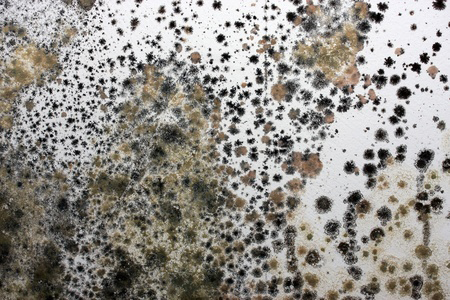
 Experts in mold remediation can properly clean your family home after a flood or other exposure to significant moisture. But before flooding even happens, a basic understanding of the health risks that mold can cause will help your loved ones stay safe and prepared.
The Centers for Disease Control and Prevention reports that molds are fungi found inside and outside. While it’s unclear how many species of mold exist, some estimates suggest there are upward of 300,000. They spread by creating spores, and they do best in places that are warm, damp and humid.
Among common indoor molds are cladosporium, penicillium, alternaria and aspergillus.
So what exactly are the health risks? At the very least, mold can be irritating. For people who are sensitive to it, reactions can include stuffy noses, itchy eyes and skin, and wheezing.
In other cases, mold can cause serious allergic reactions, fever and shortness of breath among them.
People living with dampness and mold in the home are at greater risk for illness compared to those living in homes without them, a 2007 report cited by the National Institute for Occupational Safety and Health suggests. Risks include:
- 52 percent experience upper respiratory tract symptoms
- 50 percent develop a cough
- 44 percent experience wheezing
- 30 percent report asthma development
“If you are susceptible to mold and mold is seen or smelled,” the CDC says, “there is a potential health risk; therefore, no matter what type of mold is present, you should arrange for its removal.”
Consult your family doctor about health concerns, and visit with a certified mold remediation expert to determine how you can safely get mold removed from your home.