
 Did you know in three out of four vehicle accidents the damage doesn’t disable the car? It’s still drivable. So stop and consider the condition of your car before you dial up a local towing company. You may be able to save time and avoid those costly towing fees.
Is auto glass damaged and in danger of coming loose and falling out? Most of the time auto glass will hold together after a collision as it’s designed to do so. If the windshield has a large hole, it may be safe to drive, but test it out at a slow speed first.
Is the bumper in danger of falling off should you accelerate? Test it with a strong kick and see if it moves. You don’t want to leave a piece of wreckage on the road that could cause damage to another vehicle. You could be liable for injury or damage for any wreckage you leave behind that poses a danger to others.
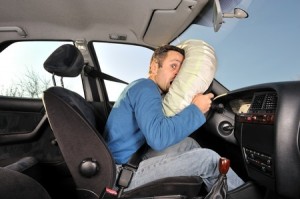
Has the airbag deployed? Just be aware that you may want to be extra cautious as you no longer will have that protection should you have another crash on the way home. Stranger things have happened.
Are any of the tires deflated? Consider the damage that can occur when driving on a flattened tire. If it’s a short distance you may be able to drive on one bent rim. Stay off busy roads and keep your speed down to 20 to 25 miles per hour.
Are children in the car? If you have very young children, don’t attempt to drive a damaged vehicle with young children unless car safety seats appear undamaged and car seating appears intact. Get your child safety seat checked following the collision. Law enforcement agencies offer free checks for car seats.