
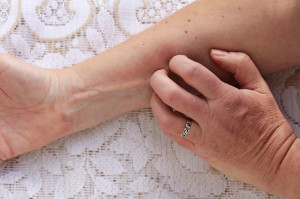
 Did you know part of the tattooing process involves using a tattoo gun to rapidly inject pigmented ink up to 2 millimeters below the surface of the skin? Basically, getting a tattoo creates several minuscule puncture wounds in the skin, which is why it’s common for skin to become irritated after receiving a tattoo.
Skin irritation can cause a breakout of pimples, known as acne vulgaris. This condition occurs when sebaceous glands in the skin produce excess sebum, which is an oily substance that helps to moisturize your skin and hair. When excess sebum is produced, it can trap bacteria, dirt or dead skin cells inside your hair follicles, which then causes a pimple to form on your skin’s surface. Newer tattoos are more vulnerable to this occurrence, but even those who have older tattoos can still be at risk.
A plastic wrap should be used to cover the tattoo immediately after completion. A few hours later, remove the wrap, but make sure to keep it dry. If you cover it up with a bandage or an ointment, it could cause moisture to get trapped under your skin, increasing your risk of pimples. In addition, the bacteria that causes acne grows in moist areas, so if a tattoo accumulates excess moisture, it may promote the growth of that bacteria.
Other treatments for tattoos include washing the area with warm water and antibacterial soap, as well as using a non-comedogenic ointment. For older tattoos, at-home and over-the-counter treatments can work well, such as anti-acne body cleansers, topical retinoid products or oral antibiotics. Natural home remedies like tea tree oil and witch hazel can also provide positive outcomes.
Ultimately, people can prevent tattoo pimples by following their tattoo artist’s instructions. It’s also important to avoid picking at or popping any pimples that do form on a tattoo, whether it’s new or old.