
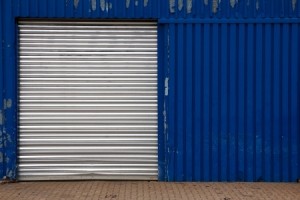
 Oftentimes, we think about garages as extensions of our home. Whether they are used for parking vehicles, storing gear or even as a retreat away from the house, we love our garages.
Until they break down. Like appliances inside of our homes, garage doors can malfunction — and often, it seems, at the most inopportune times!
Unlike home appliances, however, repairing garage doors is not a simple do-it-yourself kind of Saturday-afternoon task. That’s not saying you can’t fix them on your own … IF you know what you’re doing. But sometimes it’s best to leave it up to the experts who know what they’re doing.
Here are a few things to look for that can go wrong with garage doors and reasons why you might want to leave repairs to the pros:
Garage Door Springs
The most important part of any garage door and garage door opener in terms of raising and lowering the door are the springs. While there are a variety of garage doors out there on the market, there are only two different types of springs utilized on garage doors. Torsion springs are attached just above a closed garage door, while extension springs are located directly above the upper tracks on both sides of the door. Both types of garage door springs are tightly wound, meaning they are always under a great deal of tension. When they break, or when an unsuspecting homeowner tries to mess with them, they can cause a serious injury. This is why you can understand when attempting to fix a malfunctioning garage door spring, it is always a job left best for a professional.
Garage Door
The door, the most recognizable part of garages (aside from piles of boxes/junk and parked oil-leaking clunkers), are available in several sizes. Most standard garage doors range between 16-17-feet wide and 7-8-feet tall. Most garage doors weigh between 150-180 pounds, but insulated garage doors can weigh up to 205 pounds! Even with sturdiness built into their design, garage doors can often become dented. Maybe you accidentally backed into it. Perhaps roughhousing children in the driveway roughed it up. Or a violent storm might’ve pounded it. Whatever the case, having a dinged-up garage door never looks good. That’s why it’s a great idea to call a garage door repair company sooner rather than later. Some garage door repair companies even have specialized tools that remove dents without having to replace the entire garage door panel. In the long run, this could make the dent repair that much more affordable when compared to spending the time and money in attempting to fix it yourself (not to mention trying to get your kids or Mother Nature to make the repairs if they’re the culprits).
Garage Door Opener
We’ve all done it. You go to open the garage door by pressing the button on the remote, and nothing happens. A broken garage door opener may not be the most common garage door malfunction, but it certainly feels the most frustrating. Garage door openers can break down for various reasons, including: dead batteries in the remotes; programming communication issues between the remote and the logic board in the actual garage door opener; or even a malfunction in the logic board itself, which may lead to replacement. If you can open it up and check/replace the batteries and it works, great. Otherwise, you’ll obtain the quickest and most accurate repair when consulting with a garage door professional.