
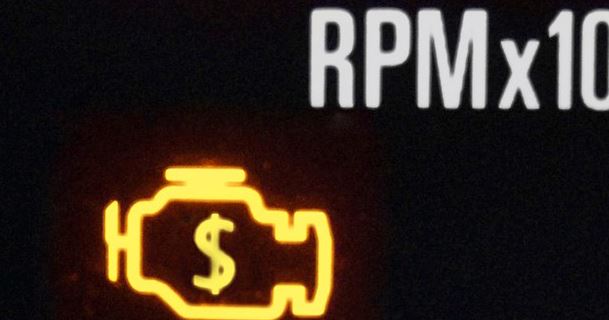
Every car owner dreads it. You’re driving home from work one day when the check engine light suddenly pops on, creating fears that your engine is breaking down on you.
Seeing a check engine light pop on is a frustrating thing because it really does not offer a revelation or explanation of the problem behind it. Usually, check engine lights signal a malfunction that can be easily fixed.
Short Circuits Automotive treats electrical problems in engines, and these are the most common causes for a check engine light popping on that our technicians typically see:
Faulty Oxygen Sensor
An oxygen sensor monitors unburned oxygen in the exhaust. It tells the car how much fuel is burned. A sensor can fail over time because it gets covered in oil ash. Faulty sensors mean incorrect data is sent to the computer and can decrease gas mileage while increasing emissions. Failure to replace it can lead to a busted catalytic converter and expensive repairs.
Loose Gas Cap
A loose or cracked gas cap can release fuel vapors and throw off a vehicle’s entire fuel system. This reduces gas mileage and increases emissions. Try tightening the gas cap when you see the check engine light on. If that’s the problem, the light will usually shut off after driving for a few minutes.
Bad Catalytic Convertor
A catalytic convertor is essential for reducing gases released in the vehicle exhaust. It converts carbon monoxide and other harmful materials into harmless compounds. When it begins failing, gas mileage decreases and the speed the car can travel also drops. If it fails completely, you won’t be able to keep your car running.
Faulty Mass Airflow Sensor
Your car computer adds fuel to the engine based on the amount of air flowing into the engine. The mass airflow sensor tracks this data. When it becomes faulty, it can cause the car to stall along with decreasing gas mileage and increasing emissions. Replacing the air filter once per year can help keep the mass airflow sensor from failing.
Bad Spark Plugs and Wires
Spark plugs seal the combustion chamber in an engine so a spark can initiate combustion. When spark plugs fail, they began to misfire and cause a little jolt in your vehicle when you press on the gas pedal. Spark plugs need to be replaced every 100,000 miles. Replace them right away at the first sign of trouble.