
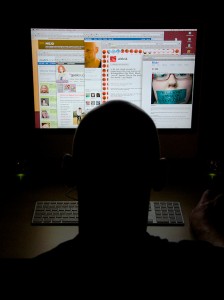
 In the month of March, many Americans observed the fourth annual National Day of Unplugging, a day when participants nationwide pledge to spend 24 hours completely tech-free.
The idea is that people are increasingly missing out on the important moments in life because their heads are constantly buried in phones or tablets. So each year on that day, participants sign a pledge to start reconnecting a bit more with friends, family and neighbors.
True, as college students, it is never going to be feasible to go off the digital grid for extended periods of time. But there actually are a few health reasons that might make you consider spending some time unplugged. It could even improve your academics.
First of all, believe it or not, being connected all the time increases stress. Sure, a few minutes on Facebook throughout the day can serve as a nice break from studying and taking notes. But the added stress and distraction comes when you are anxiously waiting for that email reply or worrying if anyone is going to like your post. Though it is yet to be medically recognized, some are calling these stresses and others, which include comparing your life to how others portray theirs online, Social Media Anxiety Disorder. Unplugging for just a few hours a night could give you the break you need.
If there is any time you could use a break from electronics it is around bedtime. You’ve probably realized that sharing the sheets with your buzzing, beeping cell phone can interrupt your slumber. But even technology use before you go to sleep can cause problems. That’s due to a blue wavelength of light emitted from screens that tricks the brain into thinking it’s time to be alert. In response, your body delays the natural release of the sleep-aiding hormone melatonin. Therefore, you don’t feel tired – even when you actually are.
But perhaps the most important reason to unplug is to stay focused. More than anything, the constant use of technology can be a huge distraction from the task at hand. No matter how good you are at juggling or multitasking, having multiple things going on at once limits your ability to focus. Going offline while studying or writing a paper could prove to yield even more quality work. Plus you could hammer it out a lot faster than you would if you were constantly distracted by texts and tweets.