Out of all the unconventional musical instruments, the saw might be the most misunderstood.
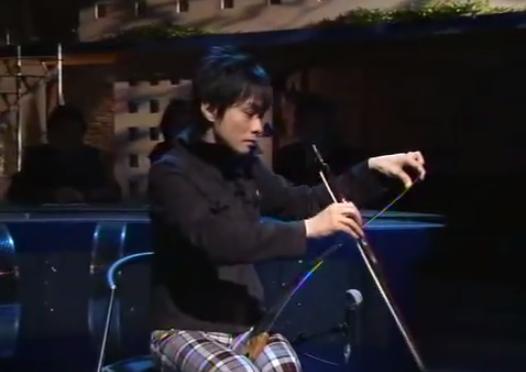
The idea of someone playing the saw conjures images of farmers in barns playing twangy numbers for a country dance. True, the physicality of playing the saw may appear a bit ridiculous, but saw has an inherently haunting and melancholic quality, which can add a surprising depth to a performance.
Japanese sawist Sakita Hajime will show you.
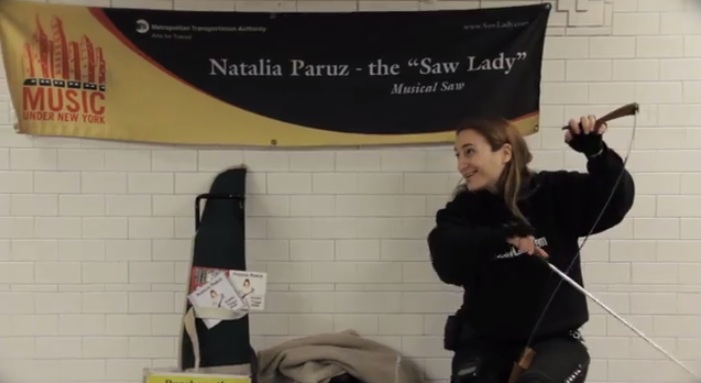
But that doesn’t mean the musical saw, like any other instrument, can’t have its silly side. New York subway musician The Saw Lady makes that clear with a performance of the Star Trek theme.
The upfront costs of learning to play are relatively small and can add a unique earthy and rich sound to a piece.
The Saw
Many sawists use a standard woodcutting saw, which you can find for as little as $6. However, musical saws (or singing saws) offer finer control, a better range of sound and different levels of depth and quality based on the thickness of the saw. Bonus: musical saws don’t have pesky sharp blades to contend with. They start at around $60 to $125, and you can even find electric saws that jack into amps.
The Bow and Rosin
Standard bows and rosin for any stringed instrument can be used. Easy peasy.
The Bend
Playing the saw is all about bending it properly. You basically bend the saw into a curve then bend the top back in the opposite direction to make a slight S-curve. Move the bow on the lower curve for lower notes, and the higher curve for higher notes. YouTube user MusicalSawMen (among others) have a few basic tutorials to help you get going.
Bonus sawist fact: Actress Marlene Dietrich played the saw on the Berlin stage and even used her saw to entertain troops during WWII.