
While a straw house likely brings up an image of pigs, an unstable home and a wolf with a healthy set of lungs, houses made of soil, straw and earth are anything but flimsy. A certain pig’s house may have given a bad name to earth-built homes, but this wasn’t the fault of the material, but rather the builder who was to blame.
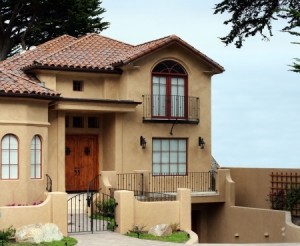 Although they’re constructed using techniques a little off the beaten path, earthen homes are by no means inferior to their traditional wood or brick-built counterparts. Prized for their sustainability and natural feel, earth-built homes use materials and techniques that have withstood the test of time and connect a home-owner with nature. The following are a couple of the advantages of earthen homes:
Forest preservation. Earth-built homes use less timber in their construction and therefore don’t put as much pressure on the ever-dwindling supply of tropical woods. This allows you to live an environmentally-responsible lifestyle right from the start of your home’s construction.
Decreased energy costs. Besides the affordable cost of the materials themselves, soil, mud and adobe brick have another cost-saving feature – insulative properties. Dwellings built of earthy materials are more effective at preventing interior temperature extremes and the high energy costs required to rein them in.
Low maintenance. Vinyl siding cracks and wood decays, necessitating painting, cleaning and replacement of materials throughout a home’s life that can get costly and time-consuming. Whereas, thick-walled, earth-built homes can last a lifetime and more with very little maintenance.