
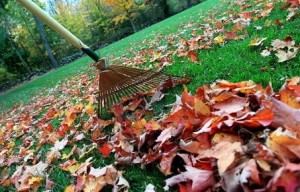
 You’ve picked your last zucchini and the final few blooms in your flower beds have withered away. The days are getting shorter. The air is getting crisper. And your landscape is changing color a tiny bit more every day.
Fall is here, meaning that it’s officially time to clean up your yard for winter. It’s also an ideal time to get a start on becoming the best yard on your block, come spring. Not sure where to start? We have a fool-proof outline to follow.
Step 1:
Start with a good cleanup. Prune the trees, trim the bushes, clean out the annuals and pick up all the fallen leaves. Clean out dying vines and plants from your garden and trim back your perennials so they can make it through winter. Getting the old dead vegetation out of your yard makes it less attractive to the fungus and insect issues that can return year after year.
Step 2:
Now that the dead and dying plants are out of the way, do a good nitpicky weeding of your garden areas and flowerbeds. This once-over will put you in the lead for a cleaner looking yard in the spring.
Step 3:
Dig up any summer blooming bulbs you may have enjoyed and store them in a more climate-controlled area indoors. Once those are cleaned up, plant some spring blooming bulbs like tulips, daffodils or crocuses. Your yard will have color before anyone else’s!
Step 4:
Next, lay down a new layer of fresh mulch in your flowerbeds. Inevitably, this will freshen up your yard, making it look less dreary. But the mulch will also serve as a great weed barrier through the fall and winter seasons.
Step 5:
Apply a winterizing fertilizer to your lawn, garden and flowerbeds. Take note of your plants and trees and ask your local hardware store or landscaper for the best recommendation. Fertilizers can vary depending on your vegetation and your climate, so get an opinion from someone with experience.
Step 6:
Lastly, don’t neglect those handy garden tools. Clean up your edger, mower and hand-tools that have been faithful throughout the summer. Remove mud, dirt and debris, then store them in a dry covered space so they’ll be ready and waiting come spring.
A bit of work on a lovely and temperate fall afternoon can have you sitting pretty when the buds and blooms begin to show a few months from now. Your yard will remain manageable throughout the fall and winter. When spring rolls around again, your yard work responsibilities will be a lot less daunting and you’ll have a palette of a landscape to design and enjoy.