
When sitting at a traffic light most of us step on the pedal when it turns green. But for colorblind individuals, they proceed when the bottom light is lit. This is an example of not only the prevalence of using color to non-verbally differentiate one element from another, but also the importance of providing non-color based alternatives for the colorblind.
This is especially an issue in regards to color-based communication in marketing materials. Everything from infographics, to maps, logos and website navigation depend greatly on color for their interpretation. For the colorblind, that puts them at a disadvantage. With an estimated eight percent of men and 0.5% of women living with color disabilities, color-dependence in marketing is a problem that simply cannot be ignored.
To ensure your company’s marketing materials are understandable to the colorblind, here are a few simple guidelines to follow:
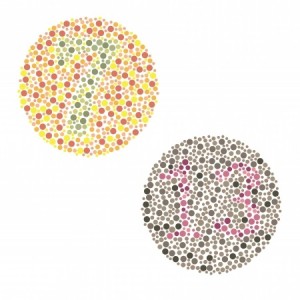 Educate yourself on colorblindness. Contrary to what the term suggests, very rarely does colorblindness mean the affected person cannot see any color at all. Typically it manifests as red/green blindness but an inability to perceive blue/yellow can also occur.
Use varying shades, textures and contrast in designs. The colorblind rely more heavily on differentiating colors by tone when compared to the non-colorblind. So avoid using colors of the same shade. Instead, make use of texture and high contrast, which can be distinguished without color. Also consider using software designed to distinguish colors as they appear to colorblind individuals. This helps a merchant gain a better understanding of how to accommodate those with color deficiencies.
Refrain from using color to communicate emotion. Do not assume colors will elicit the same emotional reaction in people with colorblindness that they do in normal-sighted individuals. In advertising, the color red marks discounted items while also encouraging risk-taking and instilling feelings of hunger and desire. Yet, for some colorblind individuals this may not hold true. It is essential you provide an additional means to communicate important marketing cues to your color-blind audience.