
Smelling salts are meant to shock your system, but essential oils “smelling salts” can soothe your system instead.
Some versions of ammonia-based smelling salts have been used since Roman times to help revive people in a faint. They were particularly popular in the Victorian era to arouse the unconscious and were carried by all policemen in Britain for that purpose. Even as recently as WWII, smelling salts were standard in first-aid kits, and they’re still in limited use today.
 In small concentrations, the ammonia compound used in smelling salts has no adverse effects to humans when inhaled, although it can be dangerous or even fatal in high concentrations with prolonged exposure. The compound works as an irritant to the respiratory system that also increases heart rate, blood pressure and brain activity, which all help reverse a benign fainting.
If you’ve ever smelled ammonia, it is not a pleasant experience. But with essential oils, you can make your own aromatherapy “smelling salts” to help revive, relax or soothe you instead of shocking your system.
You can make small batches to carry with you or larger batches to put in open bowls to set an aromatic mood in your home. And depending on what you want to accomplish, you can use one or several scents in equal parts in one batch.
 Small Batch: Use 1 tablespoon of any coarse salt for up to 15 drops of any essential oil used as an aromatic. Place in a small container or vial, cap and shake. The salt will absorb the oil, so the mix won’t get messy when you use it for your on-the-go aromatherapy needs.
Large Batch: Use 1 cup of Epsom salts and mix in an essential oil used as an aromatic until the mix is at your desired strength of scent — start with 6-8 drops. You can even add food coloring or other accoutrements to make the mix a decorative part of your home.
Here are a few options for customizing your smelling salts:
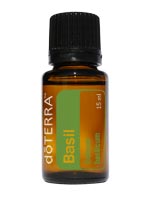
- For relaxation, try basil, bergamot, lavender or dōTERRA®’s Serenity and Balance blends
- For a mood boost try clary sage, grapefruit, lemon or dōTERRA®’s Joyful blend
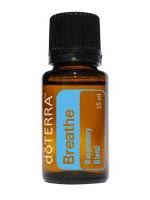
- For soothing cold symptoms try cypress, eucalyptus, peppermint or dōTERRA®’s Breathe blend