
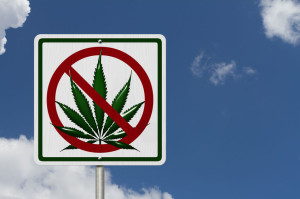
 Over the past decade, many states have legalized the use of CBD oil and recreational marijuana. While these moves have cleared up some of the confusion at the local level, federal regulations haven’t changed.
We were recently reminded of this when The U. S. Department of Transportation Office of Drug and Alcohol clarified its stance on the use of CBD oil and legalized marijuana by commercial drivers. The policy is particularly important for energy marketers and heating fuel deliverers because it addresses how the federal government views state-based legalization efforts.
Both CBD and marijuana are banned under federal law, and the Department of Transportation does not recognize legalization at the state level. As a result, CBD and THC (the cannabinoid responsible for causing a “high”) are banned Schedule 1 substances.
A recent regulatory alert from Energy Marketers of America states the following, “The U.S. DOT drug testing regulations do not authorize the use of Schedule I drugs for any reason. Therefore, a medical review officer (MRO) conducting driver drug tests will not issue a negative test result simply because the THC detected in a driver’s urine specimen was from the legalized recreational use of CBD oil or marijuana.”
The regulatory alert continues, “In addition, an MRO will not issue a negative drug test based upon information that a physician recommended that the employee use medical marijuana where states have passed medical marijuana initiatives. Instead, THC from these (or any other) source will result in a positive test for the driver.”
It’s critical that each member of your team who operates a commercial vehicle is familiar with these regulations. If they fail a drug test, they could lose their license and negatively affect your business. To avoid any misunderstandings or confusion surrounding the issue, remind your team of the following:
- Trace samples of CBD and THC can show up in a urine sample many days or weeks after someone uses. Therefore, there’s no “safe” period. It’s better to abstain from the use of CBD and THC altogether.
- Medical review officers will not accept CBD oil or marijuana as a valid medical explanation for a positive drug test.
- If a driver gets pulled over with CBD oil in their vehicle, authorities can charge them with possession. Possession of a banned Schedule 1 substance can result in up to 15 years in prison and a $125,000 fine.
Until CBD and marijuana are legalized at a federal level, it’s important your team adheres to these guidelines. At the end of the day, it’s better to be safe than sorry. To read the full Regulatory Alert from EMA, click here.