
To some, autism may seem like a new disorder as it seemed to appear increasingly in headlines around the world over the past few years. But autism is not new. The term was first used in the early 1900s. While the disorder itself has most likely existed as long as any other brain function disorder, people’s understanding of it has not. Only in recent decades have treatments emerged that truly address the disorder itself. At least LSD and electrical shock are no longer accepted treatment methods. As awareness of the disorder has increased, so has people’s understanding of the disorder, of people who have the disorder, and of the best treatments.
The stunning jump in numbers of children diagnosed, 1 in 88 births according to the Centers for Disease Control and Prevention, has left not only parents but also physicians and researchers working hard to find the best practices for treatment.
Recently, the World Health Organization (WHO) held its first conference on autism on September 16, 2013. At this conference, international experts came together to discuss trends in diagnosis and treatment. Andy Shih, Autism Speaks’ senior vice president for scientific affairs, spoke at the opening session. Shih thanked participants for taking the
time to gather “to help explore opportunities to make a difference” for those with autism and their families. He cited advancements in research and the need for continued exploration.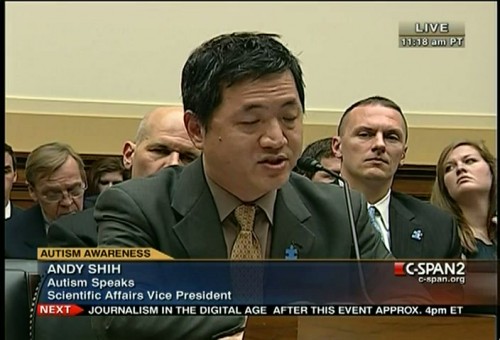
It is exciting to think of the breakthroughs ahead as the experts in WHO and other organizations around the world continue to share their knowledge. Hopefully, also, this attention will help assure that people with autism find the answers they deserve.