
What woman on earth doesn’t appreciate the beauty of freshly cut flowers? Floral gifts are a thoughtful way to brighten any venue. Whether it’s an arrangement of delicate, pastel-colored spring blossoms, a color-drenched assortment of freshly picked favorites, or a single delicately shaded long-stem rose, with a perky balloon attached, flowers make a day special.
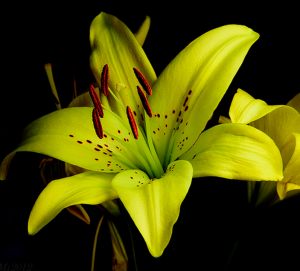
Don’t let your flowers waste away from improper care. Extend the fleeting beauty of your freshly cut flowers with these simple tips.
- Consult with the florist. Ask your florist how long each respective floral variety will retain its beauty. Some flowers have much longer shelf lives than others. If one or two flowers in the arrangement wilt, it may foul the water for the remaining blossoms.
- Harvest flowers in the cooler part of the day. When picking flowers from your own garden, cut the stems in late afternoon, or early in the morning. Also, do not place a vase of cut flowers in direct sunlight, as wilting may occur very quickly. And, be sure to remove lower leaves from the stems, before placing them in a vase. As cut flowers decompose, this fouls the water, and shortens the life of the other blooms.
- Check the water frequently. Water may evaporate quickly in areas with low humidity, so check water levels daily. This is especially true in warmer months.
- Add sugar and vinegar to the water. This extends the beauty of floral arrangements, because it slows down the growth of bacteria. Floral food formulations are also available commercially, and are a wise investment — particularly if you’re an avid gardener. Sometimes a floral arrangement comes with a feeding solution, but if not, you can usually find a suitable product at a local greenhouse.
- Avoid exposing blossoms to heat. Areas of direct sunlight or heat – including sources of heat produced by electronic gadgets, will dry out your flowers. Instead, keep floral arrangements in a climate-controlled area of your home free from direct drafts and, ideally between 65-72 degrees Fahrenheit.