
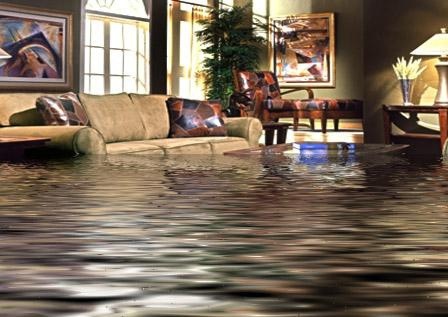
 Homeowners should never underestimate the destructive power of water that’s seeped into the wrong place at the wrong time. If it’s one drop of water: No problem. But what if it’s one drop of water every few seconds? Then you’ve got a big problem.
Preventing water damage is by far one of the most common challenges all homeowners face, even though it may come in the form of a trickle instead of a flood. Yet much of moisture’s toll on your home and possessions may be prevented through routine home maintenance and inspections, according to restoration experts. Taking these precautions will also minimize damages and repair costs for those times when accidents do occur.
The first step to heading off water damage is to have your heating, ventilation and air-conditioning systems checked and cleaned to avoid problems arising from negligence. Also check your roof for any damage to shingles or eaves that may have occurred during wintry weather. Those leaks may not appear until the next rain shower and then you’ll have even more damage to repair.
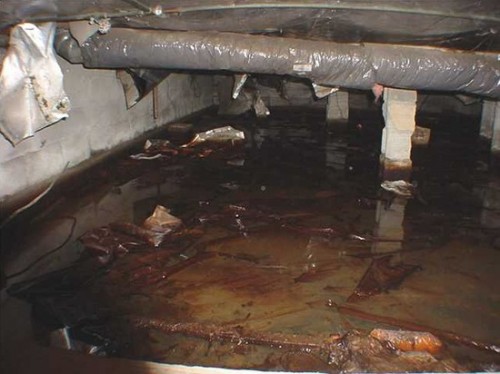
The advent of spring is the optimal time to be on the look out for those telltale signs of winter water damage. Experts recommend inspecting your ceilings and walls for stains or yellowing in specific spots. Also use your nose. If a room in your house smells dank or musty, it’s likely moisture is seeping into the flooring or walls.
Pencil in regular inspections of your basement, attic and crawl spaces on your calendar. Look closely for moisture problems, especially in those areas that are particularly vulnerable, because they are rarely used. A leak may occur for some time before homeowner realizes it.
What if you do find indications of water damage? Don’t delay. Deal with it right away. Within 24 to 48 hours those seemingly insignificant droplets of water may create puddles of standing water and then you’ve got serious problems.
If water damage has impacted a large area of the home, first shut off the power. Do this before you step into standing water or you may be seriously injured.
Next you should remove floating items such as rugs, blankets or couch cushions. Then call in an expert to remove standing water. The next task is to find the source of the moisture. Where is the water coming from? If you cannot ascertain the source, then call an expert who will conduct further tests to ensure that the water problems aren’t the result of structural damage. Particularly in very cold regions of the U.S., foundations or basements may be damaged by extremely cold temperatures.
Once the water has been removed and the area thoroughly dried, you can begin restoration of your home. Restorations specialists will help you understand exactly what must be replaced and how to do it safely and efficiently.