
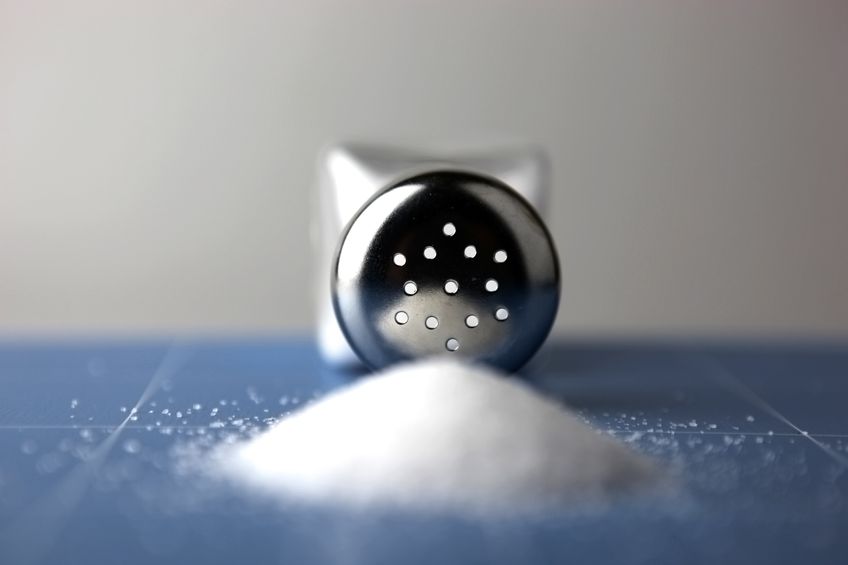
 As much as we enjoy salt on our popcorn, french fries and other foods, the uncomfortable truth is that high sodium can contribute to problems with heart health.
High sodium contributes to increased blood pressure, which can lead to heart disease and heighten our risk of stroke. Although research published in 2014 suggests there might be some sodium flexibility for people with normal blood pressure, many health experts argue the best solution for all Americans is to cut back on saltiness.
After all, nearly 75 percent of the sodium we consume each day comes from processed foods or foods at restaurants, the Centers for Disease Control and Prevention reports. And a 2013 report, also from the CDC, reports 90 percent of us eat too much of this mineral.
The best solution for removing excess sodium from our diets involves adjusting meal-planning, according to the University of California San Francisco Medical Center. First, know how to read the label of food packages and avoid making purchases based on buzz words or the latest fad. For example, sea salt isn’t any better for you than regular salt.
Next, be sure you aren’t eliminating one problem to introduce another. For example, people on low-potassium diets will soon discover many salt substitutes are made from potassium. Consult your doctor before eating these products.
Don’t be afraid to try new things on the grocery store shelves. There are plenty of great ways to flavor food beyond salt, including lemons, garlic, ginger and pepper. Testing these alternatives to sodium also introduces the added benefits of eating at home and creating food from scratch instead of a box.
Whatever you do to achieve less salt in your diet, remember you aren’t on an island. Synergy HomeCare team members are eager to help you and your loved ones adopt a healthier—and more fulfilling—way of life.