
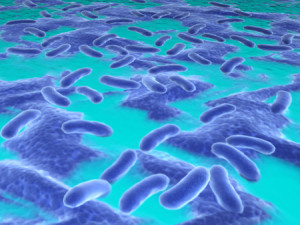
 With Montana State University showing that mineral-producing bacteria can plug underground oil and gas leaks, we may be entering a new era of oil and gas environmental engineering.
The recent experiment, conducted by MSU’s Center for Biofilm Engineering used bacteria to seal microscopic fissures that had developed in a test well’s casing. This is especially important considering such fissures can seriously compromise an oil well’s structural integrity.
The process is called microbially induced calcite precipitation. Once the bacteria is exposed to a nitrogen-based substance, it creates a deposit of calcite, the extremely hard substance that makes up limestone and marble.
When solutions containing the bacteria were injected into a test well 1,020 feet down below the surface of Alabama, they confirmed the calcite did in fact seal microscopic cracks that had previously plagued the well.
Leaking casings not only release hydrocarbons into the environment, they also can leach drilling fluids and other substances into nearby groundwater or rock substrates. Leaked gases, such as methane, can also migrate to the surface and become airborne.
With advanced technologies like these coming online, the nation – and even the world – should be better placed to manage climate-altering gases and wells. From bacteria to advanced new materials, our energy world is rapidly changing.