
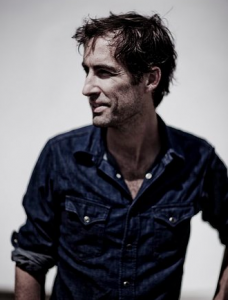
 When you think of popular music, which instruments come to mind? Nowadays, when we listen to the radio, we are overloaded with robotic hooks and synthesizers. And, then, there’s the old rock-and-roll formula, which rarely varies from the old standbys: The guitar, bass guitar, and the drums. Yet, every now and then, something with a bit more variety make its way into popular culture.
An example is Andrew Bird. From the age of four, this talented Chicago native received instruction in the violin through the Suzuki method. In this instructional approach, students play music before learning to read the notes.
Bird eventually learned to read music, and while still in his teens, he became acquainted with several other instruments, although the violin would remain his primary vessel for expressing his impressive musical talent. Bird attended Northwestern University in Chicago, and received his bachelor’s degree in musical performance.
Imbued with a firm foundation and a great appreciation for classical music, this talented musician yearned for variation. Over time, Bird experimented with various musical genres including folk, jazz, blues, and swing. This willingness to work in various styles of music is a prominent feature in his performances even today. After completing his academic studies, Bird collaborated with an experimental swing band, “The Squirrel Nut Zippers.” He self-produced his first solo album, “Music of Hair.”
Bird later headed the jazz-and-swing group Bowl of Fire from the late 1990’s to the early 2000’s, when he launched his solo career. Pop music exerted an influence on his creative genius, as he continued to dabble and mix his favorite genres.
After releasing The Swimming Hour, Bird moved to rural Illinois to work as a farmer and compose his next work, Weather Systems. The musician was not concerned with conforming to a particular genre. To the contrary, he followed his own muse, seeking artistic creation in its purest form. He was afforded this freedom through his association with smaller record labels such as Ani DiFranco’s Righteous Babe, in America, and Fargo in Europe. In his musical meanderings, Andrew disregarded and even transcended labels in order to remain true to his own exploration. Since The Mysterious Production of Eggs, his 2005 album, Bird seems to have eased into an eclectic indie-folk sound.
Hearing Bird’s music is akin to listening to the freewheeling creativity of a mind that has learned from the music of the past, but is unpressured by it. His whimsical and often verbose lyrics wash over the listener, leaving impressions more than meaning. The best way to experience an Andrew Bird album is not to worry about how to classify it. Just listen and enjoy the music.