
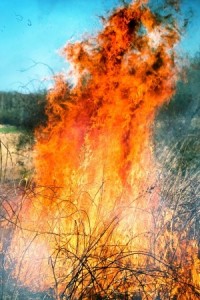
 Warm-weather months are prime time for wildfires. As a homeowner, here’s what you need to know about fires, the possibility of post-fire flooding and your homeowner’s insurance coverage:
Fires are a covered peril. Homeowner’s insurance generally covers all fires, including wildfires, unless the policy holder intentionally sets their home on fire. Policies vary, but any outbuildings or unattached structures on your property may also be covered up to certain limits.
After a fire, floods often follow. Fire-damaged areas are much more susceptible to flooding because of fire-damaged soil and the lack of vegetation. While fires are covered under homeowner’s policies, flooding is not. You must purchase flood insurance for your home to be covered, and there’s typically a 30-day waiting period for all flood policies.
Firebreaks definitely help. Have a lot of trees near you? An empty lot? A forest or park? Clear a natural firebreak between your home and surrounding trees, brush and uncut fields and even a neighbor’s unkempt back yard. Here’s some information from the Federal Emergency Management Agency on how to protect yourself and your home, before, during and even after, a wildfire.
Preparation is key. Having a home inventory, emergency kit and an emergency plan are key to making any fire less stressful on your family.