
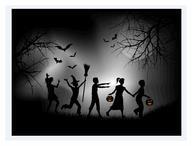
 Halloween without chocolate is almost unthinkable today, but that hasn’t always been the case. Here’s a little history lesson to savor as you chow down on your trick-or-treating haul.
Halloween celebrations date back to Europe long before chocolate came to the continent. Early Celts celebrated the feast of Samhain on the night of Oct. 31 more than 2,000 years ago. Back then, people dressed up in animal skins to frighten away phantom spirits, and filled banquet tables with delectable edibles for ghostly visitors. As the holiday progressed, the Celts began dressing as ghosts, demons and other malevolent creatures and performed tricks and antics in exchange for food and drink.
By the 9th century, Christianity had spread to Celtic lands, and the Catholic church proclaimed Nov. 2 to be All Soul’s Day. Though the official holiday had changed, celebrations remained much the same as they were when Samhain was the seasonal focus. Poor villagers would visit the homes of wealthy landowners and receive pastries called “soul cakes” in return for a promise to pray for the souls of the lord’s dead relatives.
Still another trick-or-treating predecessor came from Britain. On Nov. 5, children would wear masks and carry effigies while begging for pennies in celebration of Guy Fawkes night. The event, also celebrated with bonfires, commemorates the foiling of the Gunpowder Plot to blow up Parliament and kill King James in 1606.
Many of America’s early colonists continued celebrating All Soul’s Day and Guy Fawkes night upon immigrating, which helped popularize the traditions in the 19th century. By the early 20th century, however, Halloween pranks had become the activity of choice for young people, causing hundreds of thousands of dollars in damage around the country. The problem was exacerbated by the Great Depression, and vandalism and acts of violence became prevalent.
To combat the problem, communities began organizing trick-or-treating events in the 1930s. But the trend was abruptly halted by the outbreak of World War II, when candy became scarce because of sugar rationing. Trick or treating blossomed again during the post-war baby boom, gaining popularity as people moved from densely populated urban areas out to the suburbs. With sugar rationing no longer an issue, candy companies moved to capitalize on the holiday, launching national ad campaigns aimed specifically at Halloween. Today, Americans spend about $6 billion on Halloween each year, making it the nation’s second-largest commercial holiday.