
Take it easy, ya’ll. A study finds that longer, low-intensity workouts may be healthier than short, intense, lung-busting ones. And if you want to make that workout even more effective, you may want to consider adding FIT to your routine.
Author Archives: Jeremiah Stettler
Tips for better heart health
What do walnuts and a good night sleep have in common? Both can help your heart stay healthy during the year ahead. Check this out! (And if you need an extra boost, we have some great products that might help)
Personalities: Jamie Rose (cheerleading)
We’ve got a brand-new feature on our Facebook page! We want to introduce you to amazing staffers like Jamie Rose, who describes herself as “Dr, Fairbanks’ favorite.  Did you know she has coached cheerleading for 7 years! The one secret she’ll divulge about Dr. Fairbanks is that he loves to sing karaoke!
How to care for flowers when it’s cold
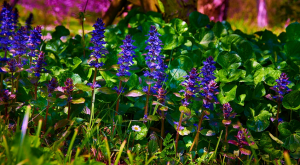 From inches of snow to cool breezes, winter months can take a tool on our plants and flowers. The elements can just be too harsh to bear. Depending on their native locations, plants may wither, suffer from improper nutrition or start dropping leaves and petals faster than we can save them. But despite the heavy toll that Jack Frost can bring, saving your plants can be much easier than you think.
The next time you see colder temps in your forecast, look to these simple tips for flowers that are safe and cozy warm.
If you live in a region with mild winters, a few old sheets may be all you need to save the day. Cover sensitive plants with a sheet on colder nights to keep the frost from setting and causing any serious damage. The sheet can easily be removed and placed as needed. This can also be done in colder regions during the fall or spring, so long as high temperatures still regularly reach above freezing.
Before a light frost, give plants a healthy drink of water. This will help retain the earth’s heat. However, if provided before a hard freeze it can actually damage plants from the roots up.
Using mulch or insulation liners can heat plants as well. While upper portions will still be exposed to the elements, the roots (and heart of the plant) will have an added layer of protection.
Finally, look to plants that are appropriate for your respective climate to host the best fit from the get go. Talk to your local greenhouse or gardener for advice; they’ll know what’s best to plant and the proper steps to help keep each plant healthy.