Even though we spend an average of 40-50 hours at work weekly, we don’t really talk to each other while we’re there. Accounting is here. Finance is there. Executives are over here. Everyone works in a silo.
 Holding a corporate retreat dismantles those silos, where you actually get to talk to Bob in Accounting. Such interactions are invaluable in creating an emotionally healthy corporate culture.
That’s because we all have feelings, every day, every hour. We are creatures driven by our feelings. This can be a good thing or become a nightmare, when factions in an office unite against one another in an ugly turf battle. In most cases, those strong, negative emotions that may arise among coworkers take a deep bite out of productivity.
Corporate retreats are the perfect time to reflect, refocus, and build stronger employee relationships through spending time together. Plus, they also provide a great excuse to have fun, wind down and reconnect with your co-workers. Yet, one of the most compelling reasons to have a corporate retreat is to provide staff with an opportunity to gain insight into how inner feelings affect outward performance. The field of emotional intelligence explores that invisible inner life that either boosts or drains an enterprise.
Training that focuses on helping workers understand how to manage their emotions can and does prevent those office blow-ups among staff members. But investing in increasing emotional intelligence among workers yields a payback, as there’s less stress, more contentment and higher productivity.
The goal of every manager should be to help employees and managers become more self-aware of unsettled emotions because upset people are less productive. Such conflicts drain staff members who otherwise would be doing just fine, if it weren’t for disruptions caused by an unhappy crew.
The disturbance in work routines and emotional tenor can take a big bite out of a company’s profits. You’ll see smiles spreading from one desk to the other when you learn how to help workers find contentment on the job.
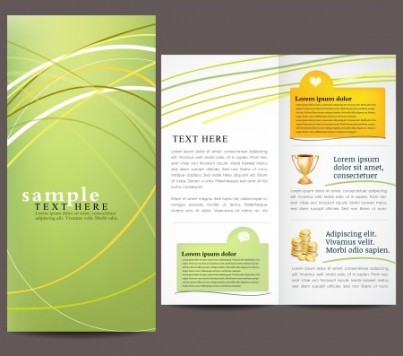 With everything under the sun going digital, what will become of printed marketing materials? Actually, printed promotional materials and signage date back to the dawn of mankind. (How else could that nomadic trader have found the local oasis?)
Somewhere along the journey of human development, one person had the epiphany to erect that very first sign. (I wonder what it said? Perhaps it was a message to check out those tempting apples!)
While digital marketing has its place, it doesn’t have that tactile experience so important to building business relationships. After all, the handshake has been around for centuries! Handing a business card to another person is relational. Sharing a colorful brochure with a client is relational.
While digital presentations are captivating, they lack the personal touch that may lead to a long-term relationship. While mobile phones and devices have their place in marketing, the rich exchange that arises from a person-to-person conversation is the mother lode of marketing.
Personal connections matter a great deal in business, and the proof of that is in the handshake. Handing someone a tablet to view your presentation is a good idea. But don’t leave out the act of handing that potential customer a colorful brochure, or an eye-catching business card. Printed marketing collateral continues to be the workhorse of small business marketing.
 With everything under the sun going digital, what will become of printed marketing materials? Actually, printed promotional materials and signage date back to the dawn of mankind. (How else could that nomadic trader have found the local oasis?)
Somewhere along the journey of human development, one person had the epiphany to erect that very first sign. (I wonder what it said? Perhaps it was a message to check out those tempting apples!)
While digital marketing has its place, it doesn’t have that tactile experience so important to building business relationships. After all, the handshake has been around for centuries! Handing a business card to another person is relational. Sharing a colorful brochure with a client is relational.
While digital presentations are captivating, they lack the personal touch that may lead to a long-term relationship. While mobile phones and devices have their place in marketing, the rich exchange that arises from a person-to-person conversation is the mother lode of marketing.
Personal connections matter a great deal in business, and the proof of that is in the handshake. Handing someone a tablet to view your presentation is a good idea. But don’t leave out the act of handing that potential customer a colorful brochure, or an eye-catching business card. Printed marketing collateral continues to be the workhorse of small business marketing.
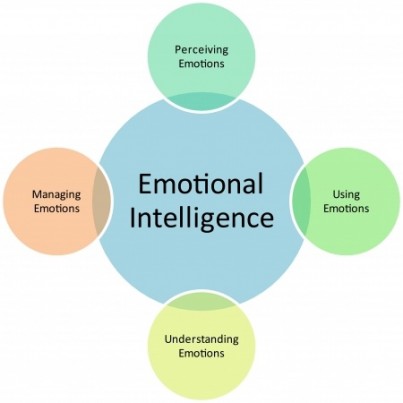 What’s your emotional intelligence quotient? The concept of emotional intelligence is taking hold in sales. It’s far from a novel idea, yet it’s amazing how little attention this important aspect of our human psyche receives when we’re on the job.
It’s becoming more clear just how crucial it is for marketers to understand and manage that inner life. Emotions energize and give birth to our creative sparks and that’s the engine that drives sales, folks! It’s feelings that get the wheels of commerce turning. We have a ‘passion’ about our work. We ‘feel a thrill’ when we think we could do it better than the next guy.
And consider this: Managers, teachers and professionals who want to climb the corporate ladder can avoid stress-induced heart-attack alley through raising their emotional intelligence quotients. Learning to manage anger and negative emotions while engaging in sales promotions and cold calls protects your health, too. Workers also benefit from better understanding how feelings impact outward performance.
Daniel Goleman authored the New York Times bestseller ‘Emotional Intelligence and Social Intelligence: The New Science of Human Relationships’ in 1995. Since then, the theory and practice of emotional intelligence has evolved into numerous applications.
For example, major corporations like Johnson and Johnson realized their most promising candidates for advancement happen to be more adept in emotionally relating to coworkers than their ‘less promising peers.’
So how do you cultivate that vital inner life, which gives rise to those amazing times when your team melds like a well-oiled machine? That’s when those energized, creative, happy people charge into sales with a cohesive excitement. It’s that sweet spot where people love their work, like their colleagues and don’t notice the time because they’re in that creative zone.
Considering just how important this issue of improving emotional intelligence is to a salesman’s long-term success, investigate the possibilities. You’ll feel a lot better and so will your employees.