Just as the sun supplies life-sustaining energy for organic life on earth, it can also provide the energy we need for our lifestyles while having a minimal impact on the environment. By using the well-known photovoltaic solar panel system and taking advantage of pure unadulterated sunlight, you can turn your home into a mean, green, solar-powered machine!
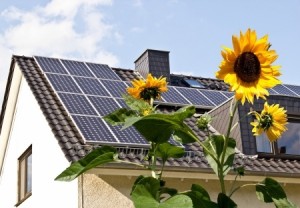 When going solar, roof-mounted or stand-alone, photovoltaic panels are by far the best solar solution for versatility. Because they generate electricity from sunlight, they are capable of powering household devices and appliances and thus greatly decreasing your energy costs. PV power can also be used to heat water for hot water heaters and swimming pools.
But don’t forget that for some everyday necessities, you don’t have to have photovoltaics to use solar power. The humble clothes line is a perfect example, and using the sun instead of an electric dryer to dry clothing is a huge energy-saver.
An obvious application of solar energy is lighting. Natural light, which requires no conversion to electricity, is undoubtedly the most cost-effective for illumination during the daylight hours. Skylights and solar light tubes are simple, but effective. When natural light isn’t an option, electric solar light bulbs are available for indoors and outdoors that store energy for nighttime use.
Temperature control can account for a substantial percentage of your electric bill in peak months. This is why it’s crucial to consider ways to keep out the heat on those hot summer days. By utilizing technologies to prevent heat build-up within your home, you can enjoy the benefits of sunlight while putting a damper on your energy costs.
Awnings and blinds are a terrific way to control interior temperature levels and low-e film applied to windows reflects 90 percent of heat. And don’t underestimate the power of planting some shade trees in the yard! Just be careful that trees don’t shade your photovoltaic panels, as this greatly reduces their efficiency.