
As you probably know, many of doTERRA’s essential oils can be taken internally. This means that you can use some essential oils while cooking. The tricky part is knowing how much essential oil to substitute instead of the herbs, spices and flavorings in your favorite recipes.
Below is a list and general guidelines for making essential oils a substitute. Please note that you may have to experiment and make a few tweaks to get the flavoring just right for you.
Before subbing any oil in your cooking, always check the label to ensure that it is recommended for internal use.
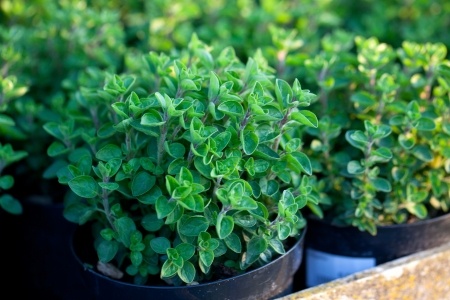
Savory Oils
Adding savory flavorings with essential oils can be tricky. Unlike it’s dried counterpart, essential oil flavorings can become milder if your dish needs simmering. However, you can add oil flavorings towards the end of cooking if you desire a stronger taste.
- One drop of oil replaces a teaspoon of dried herbs or spices in most cases.
- For bolder herbs: Dip a toothpick in the oil and stir it into your dish.
- For milder herbs: Use 2 drops of oil.

Citrus Oils
Citrus oils are an easy way to quickly add zing to glazes, sauces, cookies and piecrust. Plus you reduce your risk of grating your knuckles by 100 percent.
- Sub 1/8 teaspoon of desired citrus oil for one tablespoon of zest.
Baking & Candy Making
Many oils are 3 to 4 times stronger than their traditional extracts and ground spices. With particularly potent flavorings, like cloves and peppermint, be more conservative when adding flavoring.
- For baking: Sub ¼ teaspoon ofessential oils for 1 teaspoon of extract or ground spices.
- For chocolate crafting: Use ¼ to ½ teaspoon of essential oils for every pound of chocolate. If using a floral flavoring, only a hint of flavor is needed. To add small amounts of oil, dip a toothpick into the oil and stir into the melted chocolate.
Bon appétit!