
Did you know that an increase in age brings about an increase in risks relating to the circulatory system?
Because heart valves lose a little strength as we grow older, they do not work as 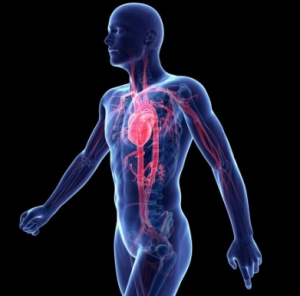 effectively. Without strong valves, your heart doesn’t pump blood with as much power as it used to, leading to an insufficient amount of oxygen being delivered to your body. Poor circulation also means that you are at a much greater risk of arteriosclerosis, a thickening and toughening of arterial walls in which the blood vessels become less elastic and more prone to stroke and heart attack.
Luckily, consistent physical activity can reduce many of the negative effects we associate with an aging circulatory system. It boosts the circulatory system function by improving its ability to transport important oxygen throughout the body. Better flow means more oxygen-rich blood can be delivered to your body.
Here’s how it works: Once red blood cells become saturated with oxygen, a temporary result of an exercise session, the circulatory system uses adrenaline hormones to open up the veins, creating an easy pathway for the ideal amount of oxygen-rich blood to be delivered to your organs, muscles and lungs. And when your organs, muscles and lungs get an adequate amount of oxygen, your body simply works better, and the risk of having a stroke and heart attack decreases.
In the long-term, better oxygen movement can even build new capillaries, which means even more oxygen can be dropped off (and more carbon dioxide can be removed) throughout your body as you age.
Relating specifically to arteriosclerosis, regular exercise has been shown to limit the negative effects by increasing blood flow and oxygen delivery to your blood vessels, which naturally slows the thickening and hardening of cell walls.
Even 15-20 minutes of light to moderate exercise three to four times per week can have an enormous impact on the health of your circulatory system. Don’t you think it’s worth it?