
 Is taking care of yourself always at the very bottom of your ever-growing to-do list? If so, you are not alone. Many people find that self-care is often overlooked because life is busy, deadlines loom, and responsibilities seem endless. You might feel guilty for dedicating time to yourself, thinking that every moment should be spent helping others or managing obligations. It is important to understand that prioritizing your own health and well-being is not selfish. On the contrary, taking care of yourself is essential for maintaining both physical and mental wellness. When you invest in your own self-care, you are better able to support those around you, handle daily challenges, and enjoy life more fully.
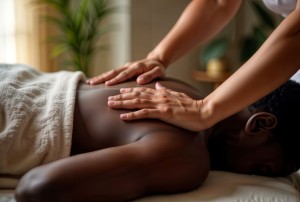
One way to take care of yourself is by scheduling time for a massage. Allow yourself to relax and let trained hands work out the tension and knots that have accumulated in your muscles. Massages can reduce stress, improve circulation, and provide a feeling of deep relaxation. Even a short session can make a noticeable difference in your mood and energy levels. It is a simple but powerful way to remind your body that it deserves attention and care.
Hydration is another fundamental component of self-care. Many people underestimate the importance of drinking enough water each day. When your body is not adequately hydrated, you may feel sluggish, fatigued, or mentally foggy. A common guideline is the 8×8 rule, which recommends eight 8-ounce glasses of water each day. This adds up to about two liters, or half a gallon, and is easy to remember. For a more precise recommendation, the National Academies of Sciences, Engineering, and Medicine suggests around 15.5 cups of fluids daily for men and 11.5 cups for women. Reflect on your own habits and consider whether you are drinking enough water. Making hydration a priority can have a positive effect on both your energy levels and overall health.
Incorporating stretching breaks into your daily routine is another way to take care of your body. Spending just a few minutes each day stretching your muscles and joints can improve flexibility, reduce stiffness, and prevent injuries. Stretching can also serve as a brief mental break, giving you a moment to reset during a busy day. Alongside stretching, regular physical activity is crucial. Walking, yoga, and tai chi are accessible ways to keep your body moving while also benefiting your mind. Exercise releases endorphins, helps manage stress, and supports long-term health. Even short walks several times a week can make a significant difference in your overall well-being.
Taking vacations or short breaks from your usual routine is equally important. Time away from work and daily responsibilities allows you to recharge and return to your life with renewed energy. Mini-vacations can be just as effective as longer trips. A warm bath can also provide a restorative experience, giving you a chance to unwind, soothe sore muscles, and enjoy some quiet, uninterrupted time. Alongside these practices, consider spending time with friends. Maintaining strong social connections is essential for emotional health. Studies show that people with supportive social networks tend to be happier, healthier, and more resilient in the face of stress.
Mental wellness practices such as meditation can also play a significant role in self-care. Meditation encourages mindfulness and relaxation, helping to reduce anxiety and promote focus. For those new to meditation, there are many free resources available. The UCLA Mindful app, for instance, offers guided meditations in multiple languages. Simple breathing exercises are another effective tool. Focusing on slow, deep breaths can calm the nervous system, reduce heart rate, and keep your thoughts centered. Inhale through your nose, exhale through your mouth, and pay attention to the rhythm of your breathing. Even a few minutes of mindful breathing each day can improve both mental and physical well-being.
Finally, do not underestimate the power of positive self-talk. Telling yourself kind and encouraging things in the mirror can help counter negative thinking and build self-esteem. By combining physical care, mental relaxation, hydration, social connection, and positive habits, you can create a comprehensive self-care routine that supports a healthier, happier you. Remember, taking care of yourself is an investment in your own life, and it is absolutely worth prioritizing.