
Are you gearing up for a winter camping trip or other outdoor activity? This time of year offers great opportunities for scouts to attend weekend camping trips with their groups and families to spend a little time together unplugged from distractions such as television, that new game system and the lure of the Internet.
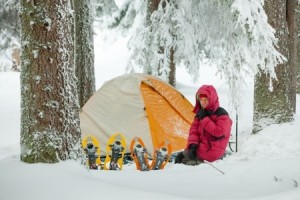
Whether you’re preparing for an overnight trip, a day trip into the backcountry or just an afternoon out sledding, you’ll want to dress properly and take along a few essential items to make the experience more rewarding. If you’re ready to shake off that cabin fever and get out into the fresh air, we’ve got a few essential tips for winter camping and outdoor recreation best practices:
1) Know before you go. Start by checking the weather forecast so you aren’t surprised by unexpected storms, wind or even a thaw that can make for soaking wet conditions. If you’re headed out to the Tracy Winter Camp or other day camping experience, talk to the Scout leader and check our website for information about what items you’ll need.
2) Dress in layers and bring waterproof boots. Don’t forget sunglasses, hats and mittens. Always bring a base layer, heavier mid-layer, and a wind and waterproof outer shell. The most important thing to remember is water resistance. Avoid fabrics (such as cotton) that will hold a lot of moisture next to the skin, which will automatically make you feel colder. Bring enough socks and base layers to change out of wet clothing.
3) Stay warm. This sounds obvious, but know that it’s easier to stay warm than it is to warm back up after too much exposure. Don’t let yourself get chilled or sweaty. Put on too many layers and you can undress a little, but don’t wait until you’re cold to add a layer.
4) Bring the essential gear. A hot water bottle will work great to warm up cold hands and feet. Pack fresh batteries for any electronic gear, such as headlamps and flashlights. Bring along fire-making kits and all-weather matches. For winter campers, three-season tents are usually adequate. White gas stoves are best for winter, but in most conditions you can get away with using alcohol or canister stoves. (Note: If you have a cartridge stove, avoid using 80/20 butane/propane canisters. Use isobutane instead, and warm up the cartridges in a sleeping bag or parka before you fire it up.)
5) Choose your location carefully. The best winter sites, such as Tracy Winter Camp, are near open water so you don’t have to waste time melting snow. A body of water will also naturally mellow out weather conditions. Also choose a location with available firewood.
Need a longer checklist with more info about winter camping? Check out this list from the scouting handbook. Happy camping!