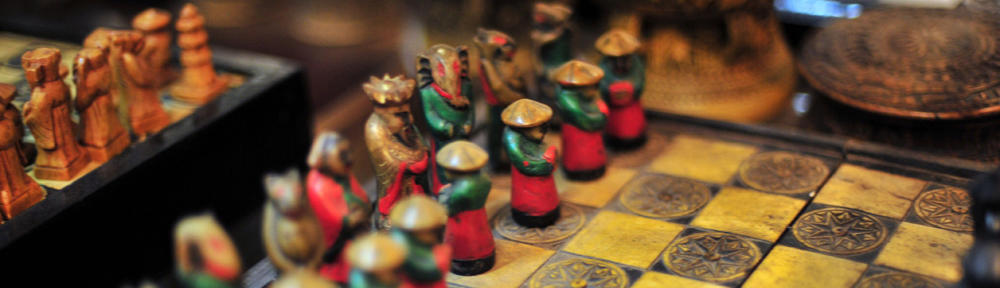
 Do you love the look of Asian floral design? The hallmarks of this graceful style are varied depending on the origins of the look you are going for, but all emphasize a oneness with nature and a return to simplicity. If you’re looking for a unique gift, a beautiful arrangement for your home, or a distinctive and elegant wedding, we have just what you need to get this look. Our professional and experienced florists are here to help!
We thought it might be fun to share a few tips on how to get this look with some items you might have around your own home. Because this style is so focused on using natural elements native to your area, it’s a good one to try. Give it s shot! You might be surprised with the results.
Chinese
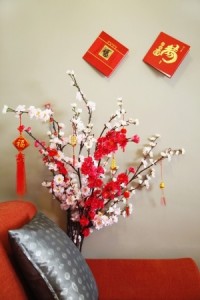 We know from artifacts, that people living in Chinese civilizations during the ancient-era were fond of flowing, informal arrangements using cut blossoms and other plant material in vases. With the teachings of Confucius, Buddha and Lao-Tse prominent in this culture, the connection of man with nature is paramount. Naturalism is the goal, as opposed to the more stylized design of the Japanese.
To get the look
- Flowers or branches should be in season and found locally
- One single symbolic thought or idea is expressed
- Typically no more than 3 different types of flowers in an arrangement
- Natural arrangement draws attention to the natural beauty of the flower
- Each arrangement includes a strong, erect, highly colored and dominant male element called Yang
- A secondary line – a smaller, finer delicately tinted and formed horizontal female element – called Ying should be added using dainty vine‐like plant materials
Flowers: Try using Narcissus, Osmanthus, Lotus, Azalea, Camellia, China Rose, Orchid, Chrysanthemum, Peony, plum, peach and apricot blossoms.
Japanese
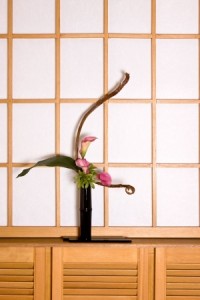 Traditional Japanese design is referred to as Ikebana, from an ancient practice that focuses on the unification of man with nature. Translated it means, “living flowers.” While Western floral design uses massed flowers for impact, Ikebana uses line and space.
Three lines, said to represent heaven, man and earth, are used in a typical arrangement and if connected would form an asymmetrical triangle. There is a definite order and precision to how an arrangement is formed, and it is highly stylized.
Some specific styles within the Ikebana discipline include Moribana, Nageire and Chabana.
To get the look
- Asymmetrical balance is used
- Space is an considered an important element of the design – not just emptiness
- Employs the use of minimalism: Excess leaves, shoots, etc. are removed to achieve a more powerful effect
- Cut flowers and accessory materials are placed to mimic nature, with buds, blooms and foliage as they are found in their natural growth – though groomed and pruned to perfection
Flowers: Get the look by incorporating Azalea, Japanese Lotus, Japanese Camellia, Orchid, cherry blossoms, and yellow Chrysanthemum
And if you find that you’d like a little extra help with your arrangement, or need to pick up some flowers to complete the look, call or stop by. We’re happy to help!