
ADHD has become a familiar diagnosis. Unfortunately, medication has become just as common. Children are being diagnosed with ADHD at continuously increasing rates. According to the Centers for Disease Control and Prevention, “The American Psychiatric Association states in the Diagnostic and Statistical Manual of Mental Disorders (DSM-IV-TR) that 3%-7% of school-aged children have ADHD” with parents reporting even higher percentages. A March 2013 article in the New York Times reports “a 16 percent increase since 2007 and a 41 percent rise in the past decade,” citing CDC statistics.
At the same time, medication is all too often the first, and sometimes only, intervention options parents are given. The same article, “ADHD Seen in 11% of Children as Diagnoses Rise,” states, “About two-thirds of those with a current diagnosis receive prescriptions for stimulants like Ritalin or Adderall.” Concerns have been raised about the widespread use of prescription drugs to treat ADHD. Parents and professionals have posed questions about the drugs being used to treat disorders like ADHD. One of these is the possibility that drugs like Ritalin might be gateway drugs. Another is that these drugs, usually prescribed in pill form, may be sold or shared.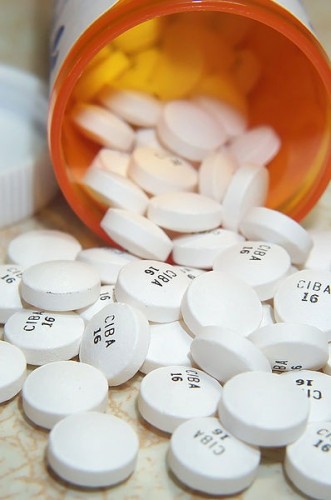
If children are introduced at a young age to drugs that alter their personality, might they be more likely to experiment with other, perhaps illegal, drugs later? Because of these concerns, many parents are searching for alternatives. Some options include changes in diet, exercise programs, and tutoring. As the number of children diagnosed continues to rise, it is important for parents to educate themselves not only about the prescription drugs but especially about other treatment options. ADDitude magazine offers a free guide to alternative treatments. You can request a copy here.