
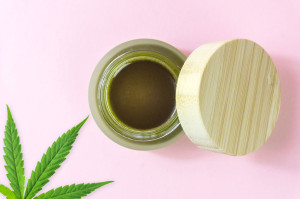
 The majority of CBD users consume the product in oil form. But a growing number of companies are releasing topical ointments and salves to assist individuals with aches and pains and promote healthy skin.
If you’re new to CBD products and aren’t quite sure where to start, you’ve come to the right place. In this blog, we’ll explain what CBD topicals are, the conditions they’re used to treat and how to select the right product for your needs. Let’s dive in!
What are CBD topicals?
The term “CBD topicals” refers to a group of lotions, ointments and salves fused with cannabidiol (CBD). Cannabidiol is one of more than 100 compounds found in the cannabis plant. It’s non-psychoactive (meaning it doesn’t cause a high), but it is effective at relieving inflammation and addressing other skin-related health problems.
Topicals are different from CBD oil or edibles. Instead of consuming them in a food or beverage, you rub them into your skin. Once applied, the healing properties found in CBD enter your bloodstream and make contact with your endocannabinoid system. From there, they go to work relieving inflammation, pain and other issues like dry skin.
What types of skin problems can CBD topicals help treat?
CBD topicals are incredibly versatile. They’re safe for people of all ages and present very few (if any) side effects. Some of the most common ailments that CBD topicals help treat include:
- Joint pain and inflammation caused by arthritis
- Acne
- Dry or itchy skin
- Heel pain caused by plantar fasciitis
- Swelling and irritation due to sports or other activity-related injuries
- Scarring
Each type of CBD topical contains different ingredients. Before selecting a product, take the time to thoroughly research it as well as the company’s manufacturing process.
What factors should I consider when buying a CBD topical?
There are several important factors to consider when selecting a CBD topical, including:
The product’s source. Is the product derived from hemp or marijuana? Was it grown organically or with pesticides? Where were the plants grown? In the U.S. or abroad? Whenever possible, we recommend American topicals grown and harvested from non-GMO sources.
Extraction method. How was the CBD extracted from the hemp or marijuana plant? Techniques that use carbon dioxide and ethanol have a proven track record and retain more of the plant’s natural healing properties. Most companies that produce topicals outline their extraction and manufacturing process on their product websites.
Online reviews. Before you make any purchase, take the time to read online reviews. Any CBD topical worth its stripes has an adoring fanbase on social media. If a product averages three stars or lower, move onto something else.
Now that you know a little bit more about CBD topicals, you can find a product that aligns with your needs. Good luck, and don’t be afraid to try several different products until you find the right one.