
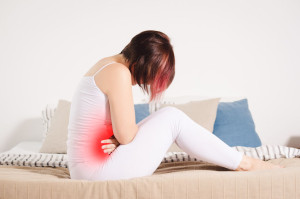
 It’s estimated that 80% of women experience cramps of some degree during their menstrual cycle. Bloating, irritability and hormonal acne are also common complaints. These symptoms are normal but if they start to ruin your day, it may be time to consider your options so you can have greater quality of life when Aunt Flo arrives.
Enter Traditional Chinese Medicine. Per this philosophy and approach, the menstrual cycle can provide a window into a woman’s general and reproductive health. That’s because it can indicate the status of various physiological processes in the body. Regulating the menstrual cycle using acupuncture and Traditional Chinese Medicine is one path to address chronic health conditions and treat fertility issues.
In other words, science is the secret weapon here. Acupuncture is effective because it regulates the nervous system. In turn, your nervous system triggers numerous physiological processes. This modality can be employed to reduce pain and inflammation, boost circulation, and reduce stress and anxiety. With respect to female health, acupuncture has the ability to regulate uterine and ovarian blood flow because of how it interfaces with the ovarian sympathetic nerves.
Acupuncture is one way to spell relief, and there’s science to back it up. For instance, a 2018 study showed that acupuncture led to a “significant reduction” of several symptoms associated with PMS as reported by a cohort of 60 women with cramps. The experimental group, who received acupuncture treatments over a 90-day trial reported a reduction in “pain, menstrual cramps, headache, dizziness, diarrhea, faint, mood changes, tiredness, nausea, and vomiting” compared to the control group.
Bottom line? Acupuncture can help relieve some of the pain and discomfort a lot of women experience during that time of the month. However, it should be noted if symptoms seem to worsen or cause concern, don’t hesitate to reach out to your primary care provider or OB/GYN doctor to rule out any serious conditions.