
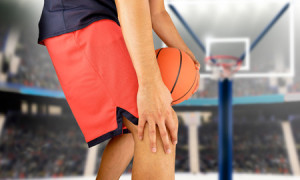
 The high school basketball season is long. Even if you never sustain an injury, the stress on your body can add up to aches and pains that cause discomfort and inevitably slow you down.
These aches can happen at the beginning of the season, too. The shift to 6-7 days of two-hour practices can be quite a shock to your muscles, joints and bones. Moreover, many players continue to get taller through high school, and growing pains can contribute to your soreness.
We’re not talking about injuries here that need immediate attention and a plan to heal. Normal aches and pains may not be enough to sideline you, but you still want to alleviate the soreness – especially if it’s affecting your game. Here are some basic tips to get you back to 100 percent.
- Stretch after practice/games: Just a little bit of stretching helps muscles to properly transition to a resting state, which goes a long way toward combating soreness.
- Warm baths: For general muscle soreness, nothing beats a warm bath in the evening following a tough practice a few hours earlier.
- Ice: For painful joints, cold application reduces swelling and promotes healing.
- Sleep well: Most teenagers aren’t wired to go to bed early, but strive to get eight hours sleep when you are experiencing pain. Good sleep provides an important restorative complement to your other strategies to deal with aches.
- Wear a brace: For ankle, knee, or elbow pain, a brace can offer additional stability and reduce pain.
- Talk with your trainer: Team trainers can help in a variety of ways, from taping you up before games to offering strategies for post-practice cool-downs.
- Talk to your doctor: If pain is persistent enough, you may want to see your doctor for help, whether to get a recommendation on over-the-counter medications (e.g., ibuprofen or acetaminophen) or a referral to a physical therapist for more advanced treatment.
One final word of caution: If pain becomes too unbearable or is slowing you down too much, let your trainer and coaches know. The thought of missing time to what might be nothing than sore muscles or joints drives many athletes to play through pain, but you then risk a more serious injury that could sideline you longer. Trainers and coaches are responsible for your well-being and should know what’s causing you pain. Meet them halfway by disclosing when an ache feels like something worse.
Like this post? Check out more articles and tips on our Facebook Page.