 Mom was right! Veggies are good for you. That’s a big reason why many of us are turning to a more plant-based diet. But those who are new to this way of eating might wonder how they’ll get enough protein and/or feel full. The truth is, there are plenty of high-protein plant-based foods. Include these five sources of protein in your diet, and you won’t have a problem feeling full.
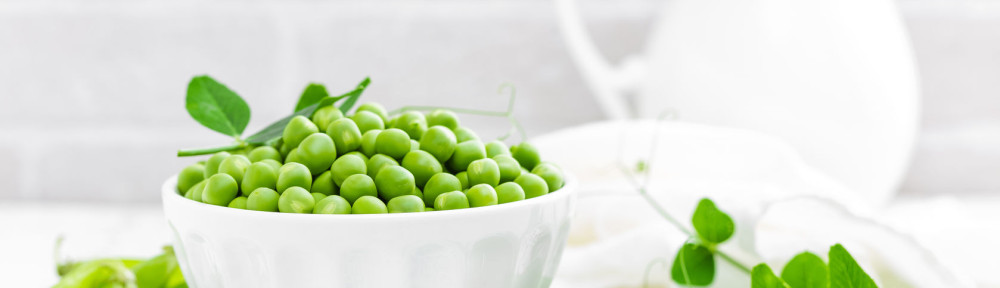
Peas. This humble side dish has a surprising amount of nutrients and vitamins. With a healthy serving of fiber, iron, vitamin B, folate, vitamin C, and protein (9 grams per cup), peas make a great addition to any meal. Add peas to pasta or make some split pea soup. Spinach, asparagus, Hubbard squash, collard greens and potatoes also are good sources of protein.
Soy. Products like tofu and tempeh are made from soybeans. They can be used in a variety of recipes, ranging from stir-fry to burgers to soups. Another great soy product is edamame. These immature soybeans make a great snack or appetizer. Most soy-based foods have between 10 and 19 grams of protein per 100-gram serving.
Lentils. These legumes are not only high in protein at 18 grams per cup, but they also are high in fiber and rich in micronutrients. Lentils taste good in soups and salads, or prepared with Indian spices to make Dal.
Chickpeas. Also known as garbanzo beans, chickpeas are another great legume to incorporate into your diet. They’ve got about 15 grams of protein per cup and plenty of fiber, iron, and folate. Blend chickpeas to make a tasty hummus dip.
Peanuts. Did you know that peanuts are actually considered a legume? Along with 20 grams of protein per half cup, you’ll also get lots of healthy fats when you add peanuts to your diet. We’ve got a variety of peanut products in our store.