
“We all live in the same world and we all want the same things in life, to feel happy, safe, and loved.” These are the words of 17-year-old Josh Thorton. For his Eagle Scout project, Thorton, who has autism, created a public service announcement to help people understand what it feels like to live with autism. Autism Speaks shares a link to the video and a news story about Thorton’s project.
Some people might believe that children with autism do not have feelings and always want 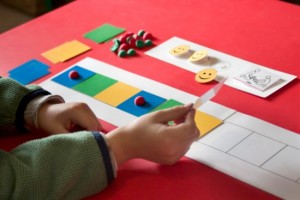 to be alone. However, that belief is erroneous. Children with autism certainly do have feelings; they just have difficulty expressing those emotions. Because they have a hard time telling or showing someone else how they feel, people may assume that these children do not feel happy, sad, excited, hurt, rejected, and so on.
In fact, children with autism have the same emotions as other children. The difference is in their ability to let others know how they feel. Likewise, children with autism may have a hard time understanding other people’s feelings—mainly because children with autism find it difficult to interpret nonverbal communication signals. We often convey our emotions, at least to some extent, through body language and facial expressions.
DoSomething.org talked to Autism Speaks to learn more of the myths about autism along with tips and tools for working with children with autism. For example, DoSomething recommends a direct approach: “someone with autism might not detect sadness based solely on one’s body language or sarcasm in one’s tone of voice. But, when emotions are communicated more directly, people with autism are much more likely to feel empathy and compassion for others.” Read the full article here.
Helping children with autism learn to recognize body language is important to help them interact with their peers and develop friendships. Also important is teaching others how to express their emotions to someone with autism.