
We’ve all heard of something being referred to as “dense,” but what does it mean for when it relates to food? ”Nutrient density” means how many nutrients you get in relation to the calories. Nutrient density is a simple way to connect nutrients with calories.
People wanting to lose or maintain their weight should opt for nutrient dense foods, as they give you the most nutrients for the fewest amount of calories. Think of it as the “biggest bang for the buck.” You can indulge without having to worry about consuming too many calories.
So, how does this apply to everyday life? 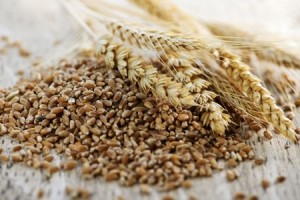 nutrient dense. A slice of 100% whole wheat bread contains about 70-75 calories, but the vitamin E content will be substantially different. Instead of getting only 100 micrograms of vitamin E in exchange for your 70-80 calories, with 100% whole grain bread, you will get between 250 and 500 micrograms. Or, in other words, you would have to eat between 2-1/2 and 5 slices of standard white bread in order to get the same amount of vitamin E as is found in one slice of 100% whole wheat bread. And those extra 1-1/2 to 4 slices would cost you as much as 320 additional calories.
Nutrient-dense foods are the way to go!