
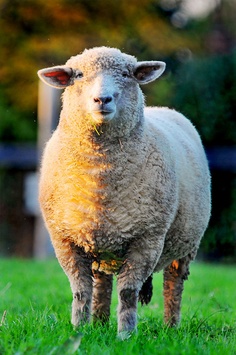
 We’ve all seen images of sheep getting sheared. But have you ever thought about the process beyond this pastoral ideal? Once collected, the fiber, or wool, is used in a number of ways from fashion, to home decor.
Domestic sheep with wool require annual harvesting, known as shearing. The wool fiber is a hardened protein and does not contain any sensory structures, which makes the process pain-free. The process is akin to trimming human hair and fingernails. The sensation is nonexistent or minimal. So, you can rest easy knowing Dolly wasn’t harmed in the production of your sweater or BooRoos!
This harvesting is good for the producer, as well as the animal itself. In fact, without shearing, the sheep may experience excessive wool growth. Too much wool, or lack of shearing, may result in manure or feces accumulating on the wool and encouraging fly egg development which can lead to infection. Also, too much wool can cause heat exhaustion in extreme temperatures.
Healthy and happy sheep benefit everyone. Sheep that are stressed produce less desirable fiber, resulting in financial consequences. For this reason, sheep producers ensure the practices are in the best interest of the sheep.
Here’s to happy and healthy sheep!