
Go to any bookstore, and you’ll likely see diet books galore. Among the titles, you’ll likely find one pertaining to Paleo diets. It’s easy to feel lost in the hustle and bustle of trends in nutrition. The following is a simple explanation of this way of eating.
“Paleo,” short for Paleolithic, is a way of eating simple, like our ancestors, who were known to suffer from fewer chronic diseases than modern populations. In short, the Paleo concept is based on assumptions of what humans of past generations would have eaten, as well as nutritional and dietary histories of many parts of the world.
Going Paleo calls for eating traditional foods offering significant nutritional value. Think 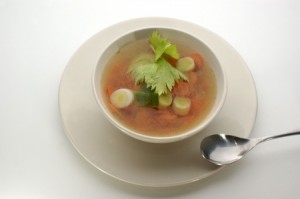 organ meats, broths, fermented vegetables and fermented cod liver oil. People on this diet opt to eat whole foods that provide optimal, nutrient-dense food, while avoiding processed, refined, nutrient-poor factory foods. This means avoiding grains, legumes (beans), refined sugar and pasteurized dairy products.
Many people on this diet have reported regained health and wellness. They think of it as a way of eliminating foods that don’t promote health in the body. Remember, as with any diet or lifestyle change, results will never happen overnight. If you’re considering adopting this diet, be prepared for a transition!