
 As the U.S. and other developed nations prepare for a “gray tsunami,” an unlikely helper may soon arrive to save the day: Robots. All different kinds of robots. Even cuddly ones! Although the idea sounds far-fetched, a shortfall of home healthcare workers may drastically change the healthcare industry. Imagine it — robots assisting with home healthcare responsibilities from reminding patients to take their meds to helping them if they fall to helping them cook and clean house. Scientists are already on top of it.
Meet what may likely be your future caregiver: Cody, who cleanses the infirm and bedridden with a mother’s gentle touch.
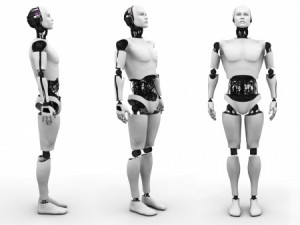 A robotic assistant nicknamed the The Hybrid Assistive Limb (HAL) will likely alter how we care for the aged at home. HAL, a metal and plastic exoskelton, is said to help the elderly move by detecting muscle impulses. We know what you’re thinking — it’s a surprising choice in nomenclature, since a fictional character with the same name menacingly transformed into a computerized monster in “2001: A Space Odyssey.” But it definitely isn’t the same!
Robotic assistants of the future won’t resemble the evil computers envisioned by Hollywood scriptwriters. Instead, some of these healthcare assistants will likely be designed with cuddly features, resembling a cute, comforting teddy bear.
It’s far from new territory in the field of health, as, on the medical side of things, robot-assisted surgeries are on the rise. In fact, international safety standards are currently being developed to ensure patients do not suffer harm from ill-conceived or untested robotic devices. Approval of the new standards is expected to occur by the end of 2013.
What do these developments portend for Baby Boomers around the world? These mechanical helping hands may prove a source of relief for middle-aged family members caring for aging relatives in their homes. Of course, medical robotic devices will have to mount a lot of hurdles before safely concerns are adequately addressed. Yet, the day is not too far off when robots may provide high-tech care 24-7 in a patient’s home.