
Flowers are more than just a pretty sight. We see them every day in home decor, during special occasions and even as accents to outfits, but did you know they can also be used as an ingredient in food? Edible flowers can add a dose of color and flare or enhance the taste of your next cooking dish.
First things first, to get your hands on edible flowers, talk to your florist. Check out their 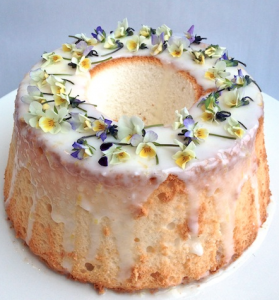 booth at the local farmer’s market, or give them a call to see what types of edible flowers they carry. You can also ask them to specially order a batch if they don’t have what you’re looking for, which may prompt them to keep edible versions on-hand in the future.
Remember that not all flowers are edible. Check with your florist before using any flower on a dish, or look up each flower online or in reference materials to make sure it’s safe. Good Housekeeping has a list of favorites:
- Arugula Flowers: Peppery flavor, just like arugula leaves. Use in salads or other
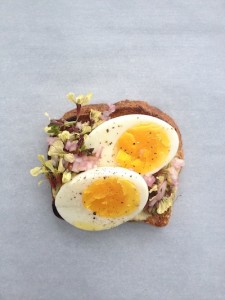 savory dishes.
 - Hibiscus: Tart and sweet. Often used in teas, cocktails and salads.
- Jasmine: Very sweet, floral fragrance and flavor. Use in teas or desserts.
- Lavender: Floral flavor that’s perfume-y and faintly citrusy. Use in cocktails, teas, desserts or other baked goods.
- Lemon Verbena: Light lemon flavor that’s well suited for sweet or savory cooking.
- Marigold: Faint citrus flavor. Try it in a salad.
- Pansies: Use these as garnish—they’re so pretty! Faint grassy flavor.
- Violets: Sweet and floral. Use in dessert or freeze into ice cubes for decorative drinking!
Once you have your flowers, give them a good shake to remove any dirt or bugs. You can also wash them in cold water; be extremely gentle to avoid harming any petals. Next, let the flowers air dry in moderate temperatures – too hot or too cold can greatly damage the flowers. Then, once dry, it’s time to add to your dish!
Have fun and be creative while adding flowers to your dishes; they can add a natural flare and décor to any dish.