
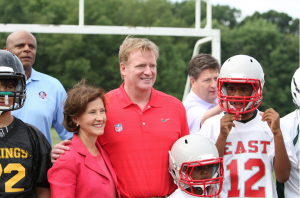
 As it turns out the toughest American sport — football — is also the most profitable. That’s good news for television advertisers, but not so good news for a player’s brain health. In 2012 alone, the NFL raked in $9.5 billion in revenues, according to Advertising Age. Similar to how other businesses build profits through a diverse range of products, the NFL takes in revenues from game-day sales, videos licensing fees and advertising. However the league’s most profitable asset are their athletes — those who bear the most exposure to brain injury. Watching some of these injured players share their personal stories on television is emotionally moving, but that’s not enough to tackle the challenges of preventing brain injuries in the U.S.
Lawsuits may prove more effective in protecting players over the long term. More than 4,000 former professional football players have filed lawsuits against the NFL, claiming the league failed to sufficiently warn players of the linkage between head injuries and long-term brain damage. Scientists, technologists and educators must team together to develop new ways to both protect and enhance the brain. Some are already taking steps in this direction.
For example, in 2012, Dr. Jeff Anderson led the University of Utah’s Department of Radiology and Bioengineering study on the effects of an eyeQ brain enhancement program. The research effort is designed to stimulate both sides of the brain, challenging and improving an individual’s processing and cognitive abilities. During the study, the brain activity of people who used the eyeQ program was monitored over an eight-week period. Ages of study participants ranged from 12 to 20. At the end of the eight weeks, the participants’ brain activity had increased significantly.
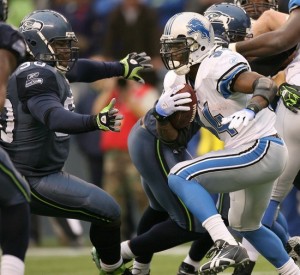 These and other improvements may offer hope to those whose brains are not functioning at optimum levels, including working adults, students and even former NFL players. The full impact of these programs may not be known for several years. What we do know at this juncture is the brain needs protection from forceful impacts on the head.
The amazing potential of the mind should be teased out and developed through brain exercises. Understanding the underdeveloped potential of brainpower in the U.S. should spur all of us to discover ways to enrich the minds and brains of our people and to protect our collective intellectual assets — ones that made the U.S. a world power. Winning that game overshadows a long throw by a long shot.