
Put on your thinking cap and ponder this question: Have you fallen victim to common myths about the one bodily organ that defines you more than any other: Your brain?

What are some of the common brain myths that need debunking? To start with, most people have a tendency to underestimate the potential of just how much you can improve your brain’s performance. Keep in mind your brain is a physical organ, fed and nourished by blood vessels and connected to sensory organs, which continually interact with outward stimuli. You can actually boost brain performance in a similar fashion to an athlete, who trains and strengthens his body through exercises.
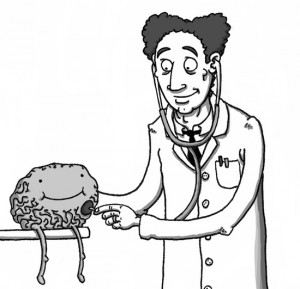 In fact it’s both the way you respond to events and stimuli as well as your willingness to be flexible that exert the greatest influence on brain performance. Lifestyle and the exercise of willpower in making positive, healthy choices have a greater impact on your brain than those genes you inherited from Mom and Dad.
For example, exercises designed to strengthen eye tracking are a proven method to boosting reading skills, which also ups your smarts. The eye is our most important sensory organ, with 30 percent of our brain devoted to processing visual stimuli.
Here’s another common misconception: Your genetics determine both brain capacity and brain function. That’s just not so according to insights shared by more than 200 of the world’s top scientists at the 2012 SharpBrains Virtual Summit.
As it turns out, how you use your mind exerts an even greater impact on your brain than your daily dietary choices, although feeding your brain a proper diet is definitely a smart move.
And although you may not be able to prevent diseases such as Alzheimer’s, there are steps you can take to reduce or minimize symptoms associated with such diseases. For example, brain exercises not only keep your mind sharp, but they also reduce stress.
Keep in mind scheduling regular medical checkups ensures early detection of changes occurring in your brain that may signal the need for intervention to prevent cognitive decline. Then, consider exercises to strengthen that brainy muscle with regular workouts. It’s a smart thing to do!