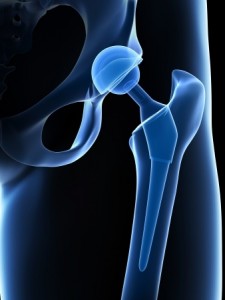
 Everyone has fallen down at some point in their lives. But as we age, the potential for injury during a fall increases. Hip fractures are serious fall injuries that almost always require surgical repair or replacement, followed by months of physical therapy. Sometimes they can even be life-threatening.
Older people are at higher risk of hip fracture because bones tend to weaken with age. The Centers for Disease Control and Prevention offers these strategies for prevention:
- Exercise regularly. It’s important to increase leg strength and improve balance. Gradually make the exercises more challenging.
- Reevaluate your meds. Ask your doctor or pharmacist to review medicines—both prescription and over-the-counter—to identify side effects and any interactions that may cause dizziness or drowsiness.
- Keep your eye on it. Have your vision checked by an eye doctor at least once a year and update eyeglasses to maximize vision. Consider getting a pair with single vision distance lenses for activities such as walking outside.
- Safety first. Make home safety improvements by reducing tripping hazards, adding grab bars inside and outside the tub or shower and next to the toilet, adding stair railings, and improving lighting.
Additional ways to decrease hip fracture risk include:
- Getting adequate calcium and vitamin D in your diet
- Doing weight-bearing exercise
- Getting screened and treated for osteoporosis
The Mayo Clinic also has a slide show of balance exercises. Give them a try to develop a better sense of balance and prevent falls.