
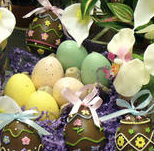
 For generations, kids and adults alike have enjoyed coloring, decorating, hiding and eating Easter eggs. From dropping dye tablets into cups full of vinegar to putting stickers on clean or colored shells to just plain crayon coloring each egg, it’s a tradition of family fun that continues to live on.
But have you ever wondered where this practice came from? Why do we color and decorate eggs? Sure, it’s been around for ages, but why is it done?
In ancient times, the egg was seen as a symbol of new life, hence its significance during spring. People decorated and dyed them using leaves, foods or plants to help signify the special spring egg and set it apart from its winter or summer counterparts. These eggs were celebrated, worn for luck or even buried at foundations of prosperous buildings.
Now the tradition has transformed into a fun act of springtime, often accompanying candy or feasts. It’ll be fun to think about those ancient traditions when you’re pouring the vinegar to color your own eggs this year.