Consumers are becoming more socially conscious, and also more likely to scrutinize health and beauty products, and the ingredients used in their manufacture. Organic, natural, and cruelty-free are a few of the terms you’ll see on cosmetic product labels, but how accurately do these labels reflect the composition of a particular product?
 The U.S. Food & Drug Administration regulates the cosmetic industry. One of the more vague claims confronting consumers is the term “natural.” Yet the FDA cautions that this attribute is difficult to pin down, because the food or material has likely been processed and “is no longer a product of the earth.” The bottom line: the FDA doesn’t attempt to define the term “natural” in respect to food or cosmetics, at least at this time.
Many view products touted as “natural” as inherently safer or healthier than products not so labeled, but consider lead and asbestos. Both are derived from the ground, but we wouldn’t dare put them in our cosmetics!
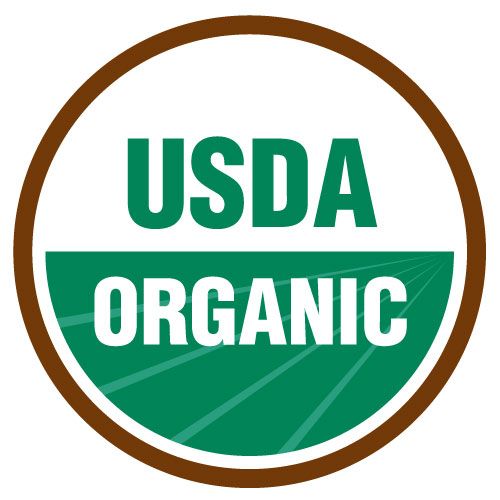
And what about those cosmetic manufacturers that claim a particular product is “organic?” The FDA neither defines nor regulates use of the term ‘organic,’ as it applies to cosmetics, body care, or personal care products. That’s according to the USDA Agricultural Marketing service, which oversees the National Organic Program.
The agency does permit the use of the “USDA Organic” logo, provided the product is derived entirely from agricultural ingredients and can meet the agency’s organic production, handling, processing, and labeling standards. A USDA-accredited organic certifying agent must approve the wording on the label. Once certified, ingredients are then broken down into categories: 100% organic, organic, and made with organic ingredients. Products made with less than 95% organic ingredients are not eligible to display the USDA Organic logo on their packaging.
Simply put, cosmetic product manufacturers may claim a particular product is organic as long as they don’t violate the use of a governing authority’s program logo. There is no demand that cosmetic companies comply with the USDA/NOP program, unless they claim certification under the program.
An even more gray area is the “cruelty free” claim. There are currently no governmental restrictions on the use of this term, or similar terms, such as “not tested on animals,” according to the FDA. So, a cruelty-free label is no guarantee a product was not tested on animals. That’s why you, as a beauty professional, need to query manufacturers on specific testing procedures, if you want to assure products are indeed cruelty-free.
Research is essential, if you are striving to provide more conscious choices for your clients. Be ready to help educate clients and answer their questions. If you aren’t sure how to answer a particular question from a client, it’s best to err on the side of caution. Natural, organic, and cruelty-free are elusive terms, so ask the manufacturer to specify the exact nature, origin and manufacturing process used. Ensure the claims are valid. Your clients will appreciate your due diligence.