

Vitamin D is a wonder “drug” that wards off depression, prevents the common cold, and supports healthy bones. It’s also nature’s beauty treatment, bestowing a trifecta of beauty-enhancing benefits. If you miss out on your daily dose of vitamin D for too long, your complexion will look dull and lifeless.
Taken as a nutritional supplement, it diminishes ugly dark spots, bolsters skin structure, and reduces acne. This powerful health supplement and beauty-booster is called the “sunshine vitamin,” because sun exposure activates it in the body.
The National Institutes of Health Office of Dietary Supplements recommends adults consume at least 600 international units of vitamin D each day. While it’s true vitamin D is most commonly formed in the body through exposure to the sun, in the winter months it can be nearly impossible for those living in northern climes to absorb enough vitamin D through sunlight. Dark-skinned individuals also have a harder time absorbing this essential vitamin.
Dietician Kristin Kirkpatrick, a writer for the Huffington Post, says vitamin D is “hot right now and a lot of us are turning to a hot source to get it — the sun.” Yet, while soaking in the sun may seem like a great idea when you’re young, it can fast forward the aging process by promoting wrinkles, and increasing the risk for skin cancer.
Here are a few suggestions for ensuring a proper level of Vitamin D. First, take advantage of those opportunities for sun exposure in the winter months. That should not be too difficult, as cabin fever sets in. If it’s not too cold, bare your arms, legs and face to the sun’s rays. That will also prevent a sunburn, when summer arrives.
If you’re at risk for vitamin D deficiency or suffer from seasonal effective disorder, artificial light may be best for you. These UV-emitting lamps and bulbs are like a small tanning bed, about 24 inches by 16 inches. They still carry the same skin-cancer risks as a real tanning bed, so it’s best to use it under a doctor’s care.
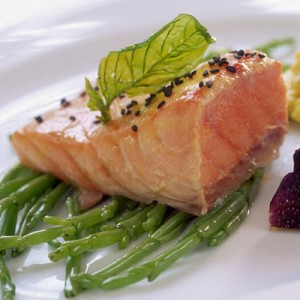
Another source of this essential vitamin is found in fatty fish, such as salmon and trout. A 3-ounce sockeye salmon fillet contains about 450 international units of Vitamin D. Canned light tuna has about 150 IUs per four ounces. If cod liver oil sounds unappetizing you may also ingest it in capsule form.
Some foods have been fortified with Vitamin D supplements, including some brands of orange juice that may contain as much as 100 IUs per 8-ounce serving. It’s easy to find these in the grocery store. Check the labels.
You can overdo it with Vitamin D supplements so check the labels. The upper limit is usually around 4,000 IUs for anyone nine years old and up, but that includes all sources like a vitamin pill, food and sun. Talk to your doctor to find the right dosage, as too much vitamin D can be toxic. In summer months, you may not need Vitamin D supplements at all.