
“Green, green, green.
Building your home, making it green.
Radon-resistant, make it healthy and clean.
Make it green, green, green.”
That catchy little jingle heard on the radio and seen in print ads nationwide is part of the EPA’s latest ad campaign to encourage green building techniques. The EPA is trying to raise awareness of the dangers of radon and to promote the use of radon-resistant construction techniques in new homes.
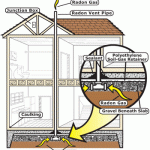
Most homeowners have never heard about radon or the potential health hazard that it poses. Radon is a naturally occurring radioactive gas that is found in soil and rock. It is the natural byproduct of the decay of uranium that exists in certain concentrations in the earth. Radon normally rises through the soil and disperses into the atmosphere harmlessly – that is, unless there is a building in the way. If there is a building in its path, radon will seep from the ground into homes through cracks in the slab floor and basement walls and can also rise into the living space through cracks in the floor, around chimneys, plumbing pipes and through the ducts of air heating systems.
Radon is odorless, colorless, and tasteless and is a major health threat. Radon is the leading cause of lung cancer in the United States among non-smokers. Radon particles can attach themselves to airborne dust and, when inhaled into the lungs, may remain in the lungs for long periods of time. According to the EPA, about 21,000 people a year in the U.S. die from lung cancer due to radon exposure.
The good news is that measures can be easily incorporated into new home construction that can greatly reduce the risk of radon-related lung cancer. Using common materials and straightforward techniques, builders can construct new homes that are resistant to radon entry.
While the techniques may vary, here are five basic features the EPA suggests that builders use to prevent radon from entering a home:
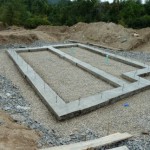 1. Gravel - Lay a 4-inch layer of gravel underneath the concrete foundation slab to allow the soil gasses to circulate underneath the house.
2. Plastic sheeting - Place a layer of plastic sheeting on top of the gravel to prevent the soil gasses from entering the house.
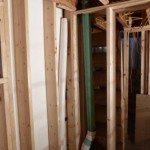 3. Vent pipe - Run a 3-inch or 4-inch PVC pipe used in plumbing vertically from the gravel up through the house to the roof to vent radon gas safely to the outside
4. Sealing and caulking - Seal all openings, cracks and crevices in the concrete foundation.
5. Junction box - Install an electrical junction box in the attic for use with a vent should one be needed.
You’ve probably heard the old saying “pay me now, pay me later.” Radon-resistant new construction isn’t expensive and can save you a big bill later in the event you ever have to mitigate radon from your home. Radon-resistant new construction typically costs a builder between $250 and $750. The cost to mitigate high levels of radon, on the other hand, could set a homeowner back anywhere from $1,000 to $2,500.
According to the EPA, more than 1.5 million homes have been built since 1990 using radon-resistant techniques. So for peace of mind, ask your builder to include a radon reduction system in your new home. And as the EPA jungle makes clear, “making it green is making sure the air in your dream home is healthy for your family to breathe.”