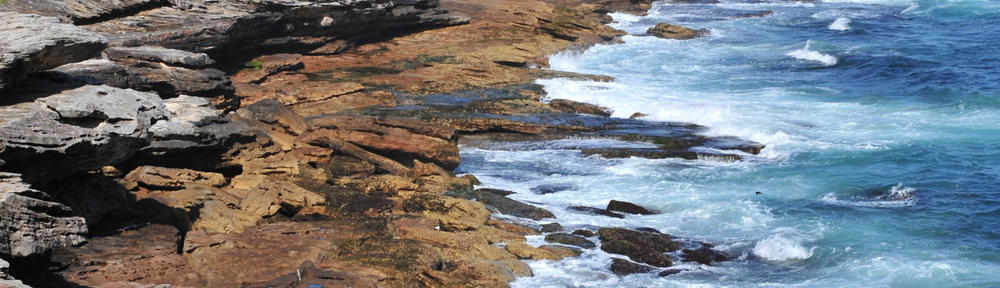
Most of the time when you think about flooding, you probably picture water levels rising during a huge rain storm. Maybe you imagine a flash flood following a desert rainstorm.
But most people don’t think much about snow. Many people mistakenly believe that when the cold sets in, they have no need to worry about flooding.
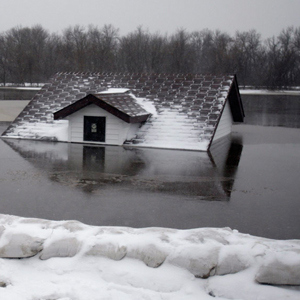 Newsflash: Frozen water is still water.
If you’re looking outside at a two-inch blanket of snow across the ground, you’re essentially looking at a frozen flood. True, most of the flood damage from winter storms occurs when that snow begins to melt. But melting is one of the things snow does best.
Cold temperatures harden the ground and decrease its ability to absorb moisture. Typically, the snow on top of the frozen ground melts more rapidly than the ground thaws. Even relatively minor snow storms can lead to major flooding as water runs across creek beds and ground that cannot absorb the moisture in its frozen state.
Winter storm floodwaters often contain large amounts of toxins as well: salt and other chemicals spread over roads and paved surfaces to prevent freezing get caught up in floodwaters and can have adverse effects on soil and homes.
 Taking the necessary steps to protect your property can dramatically reduce your home’s risk of flooding — during the winter and year-round.